Unraveling the deep labyrinth of logic and semantics created by the classification of 'autological' and 'heterological' words.
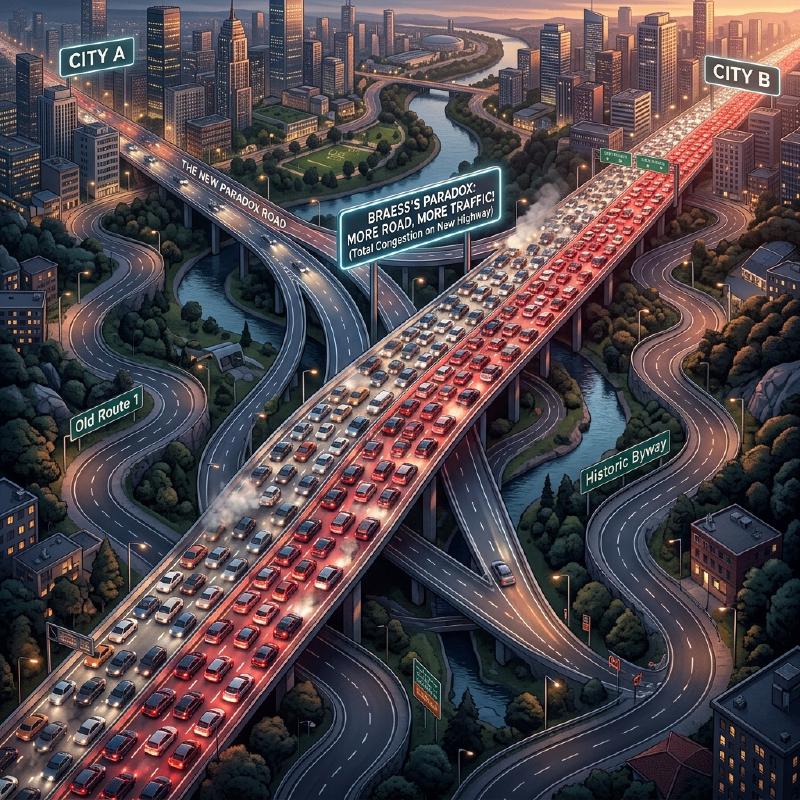
A bizarre paradox in network theory where building a new bypass to relieve traffic congestion ends up increasing the commute time for everyone.
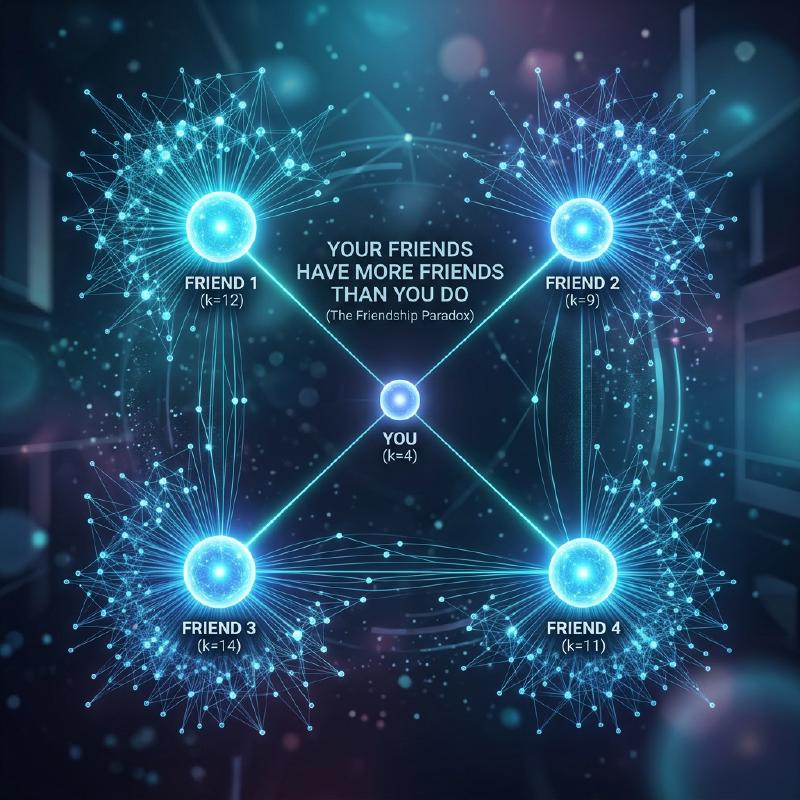
There's no need to worry that you 'don't have enough friends.' It's a mathematically proven property of networks.
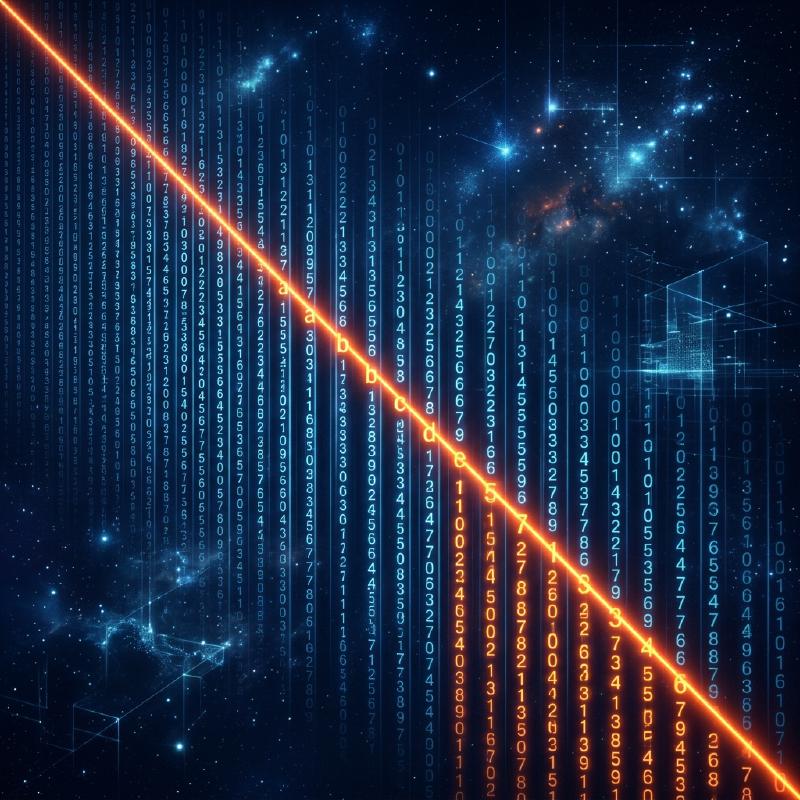
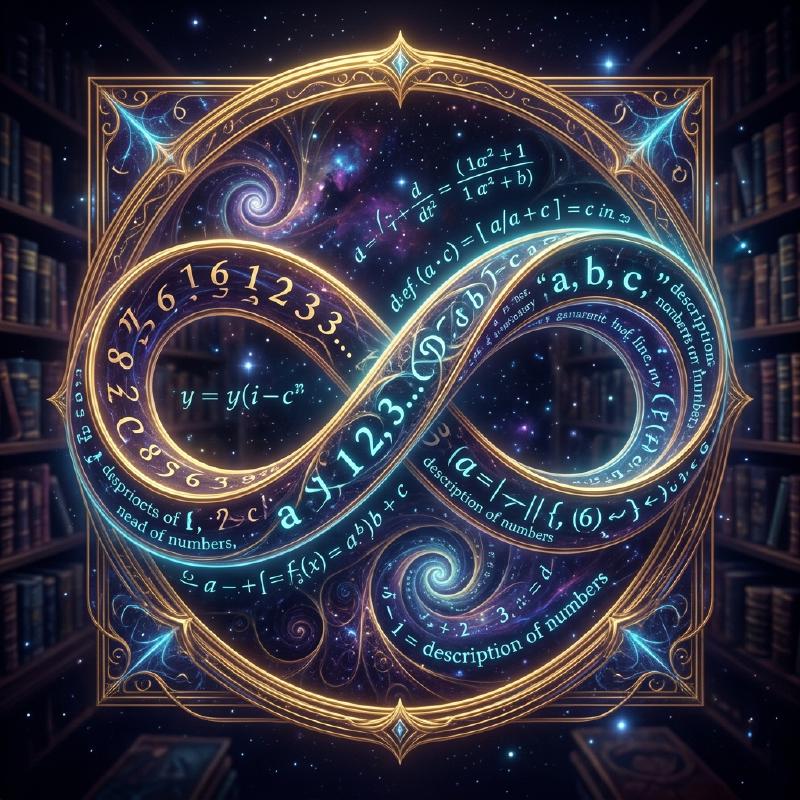
Listing all real numbers that can be defined in words, only to create a new real number different from all of them. We provide an easy-to-understand explanation of "Richard's Paradox", which shook the foundations of mathematics, and Gödel's brilliant inspiration that broke through it.
The very phrase "the smallest integer not expressible in 19 characters or less" ends up expressing that number in under 19 characters!? An explanation of a short, beautiful paradox that occurs at the boundary of everyday language and mathematics.
"Next week, on one of the days from Monday to Friday, I will give you a surprise test in an unpredictable manner." —— In response to the teacher's declaration, the students proved that "a surprise test is logically impossible." However...
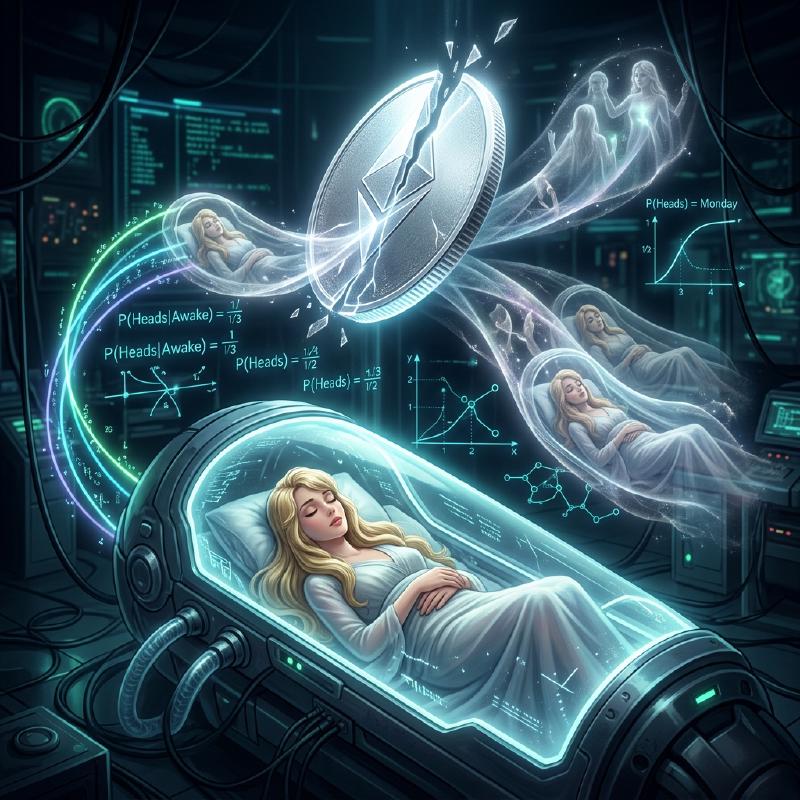
"Now that you are awake, what is the probability that the coin toss resulted in heads?" We explain the latest paradox that continues to divide mathematicians and philosophers worldwide into the "1/2 camp" and the "1/3 camp" despite its very simple setup.
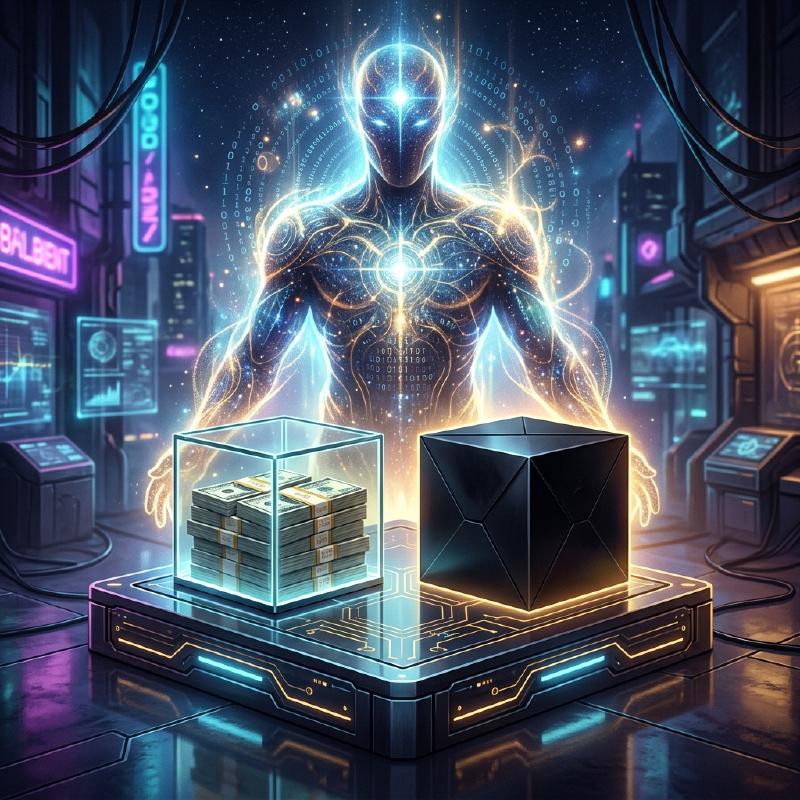
A transparent box with 100,000 yen and an opaque box with either 100 million yen or nothing. Which would you choose in a game prepared by a superbeing who perfectly predicts the future? We explain the greatest puzzle in modern philosophy where free will and determinism clash.
Even though the "pass rate" is higher in every department, when the company's overall "total pass rate" is calculated, it reverses and loses!? We explain the terrifying trap of "Simpson's Paradox" where statistical data deceives us in an easy-to-understand way.
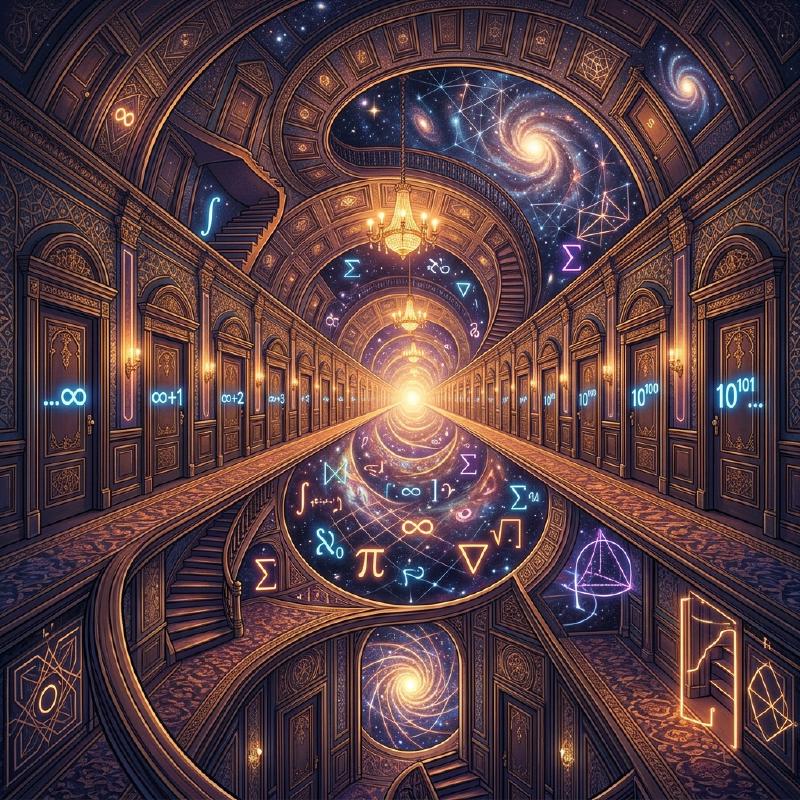
The "Grand Hotel" with infinite rooms never turns away a new guest, even when it is completely full. We explain the astonishing logical trick (properties of infinite sets) that allows it to accommodate 1 person, a million people, or even an "infinite number" of guests arriving on a bus.
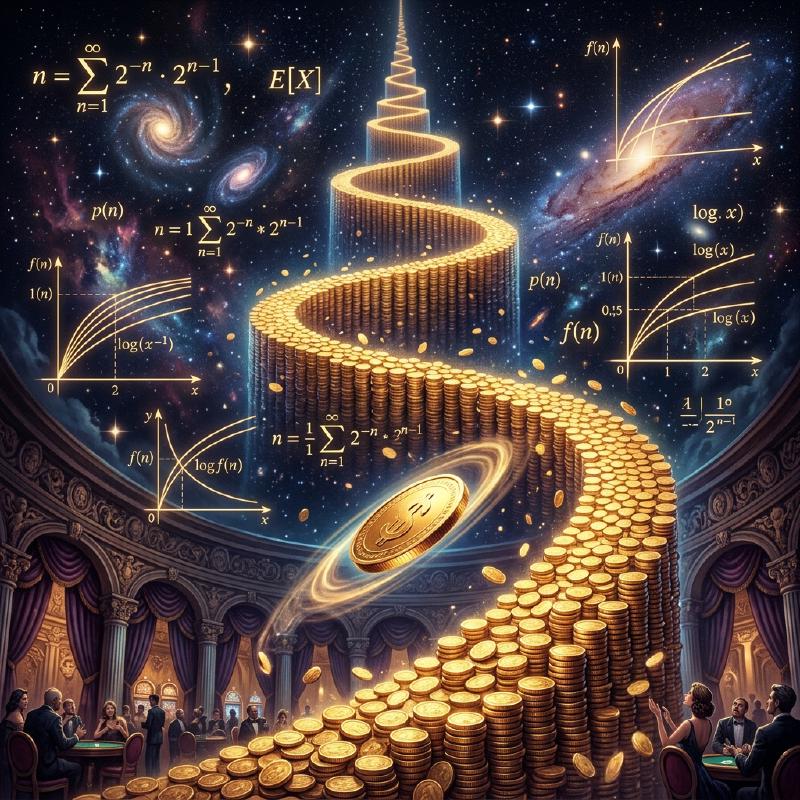
A gamble that is mathematically supposed to make you "infinite money". Yet, in reality, nobody would pay a large sum for it. We explain the historical paradox that highlighted the gap between probability theory and human psychology (utility), laying the foundation of modern economics.
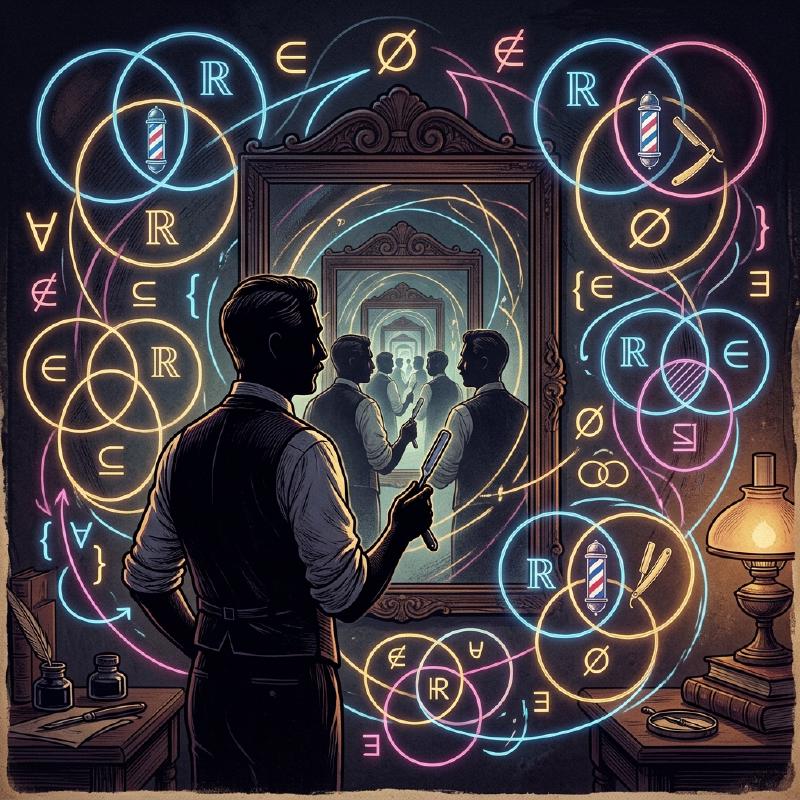
“Does the barber who shaves all those in the town who do not shave themselves, shave himself?” This article explains Bertrand Russell's terrifying paradox that shook the foundations of mathematics, “set theory”, and changed the history of logic.
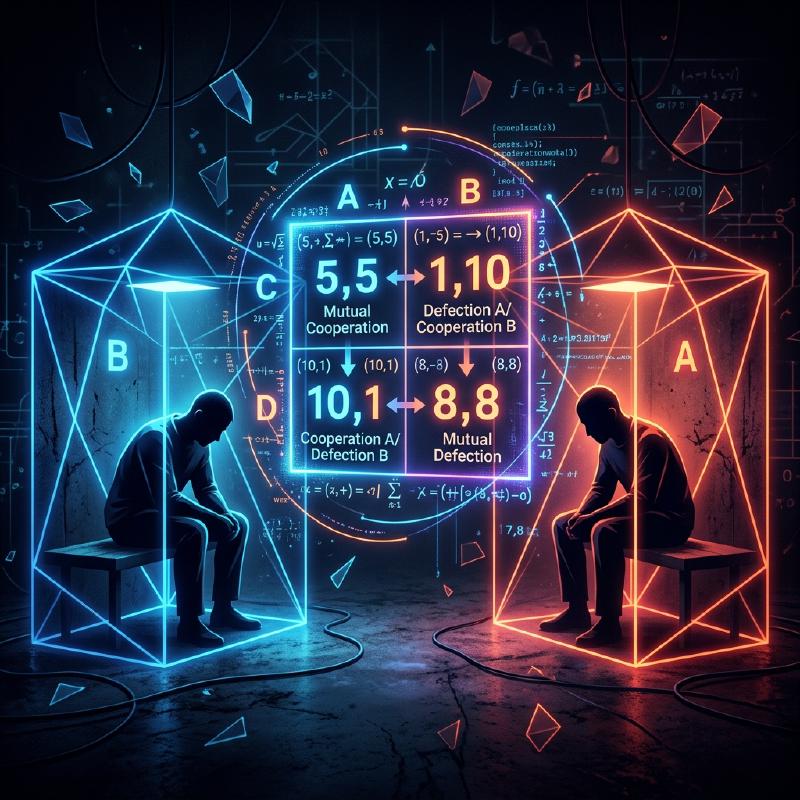
Even when we know that "cooperating with each other yields the best result", why do humans end up betraying each other? Through "The Prisoner's Dilemma", the most famous model in game theory, we will explain mathematically and psychologically the mechanism by which individual rationality creates collective irrationality.
Did you know that if you cut a single pea and reassemble it like a puzzle, it can become as large as the sun? We explain the bizarre world of the "Banach-Tarski Paradox", the most counterintuitive yet logically perfectly correct theorem caused by the "Axiom of Choice" in modern mathematics.
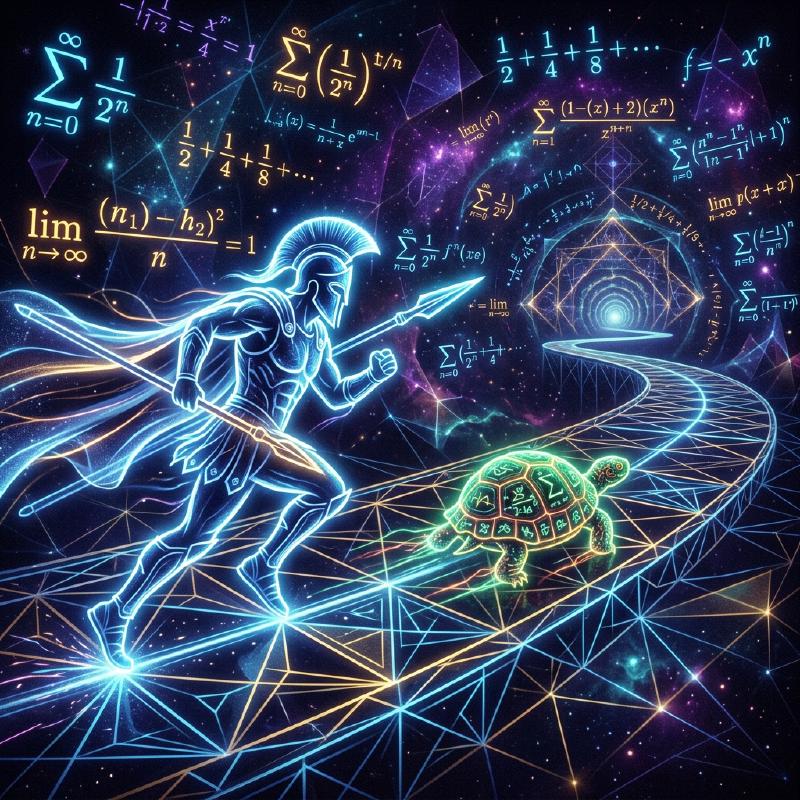
Can the swift hero Achilles never catch up to the slow-footed tortoise? The most famous of Zeno's paradoxes has troubled philosophers and mathematicians for over 2,000 years. We will mathematically unravel the trick of this logic using the concepts of the sum of infinite series and limits.
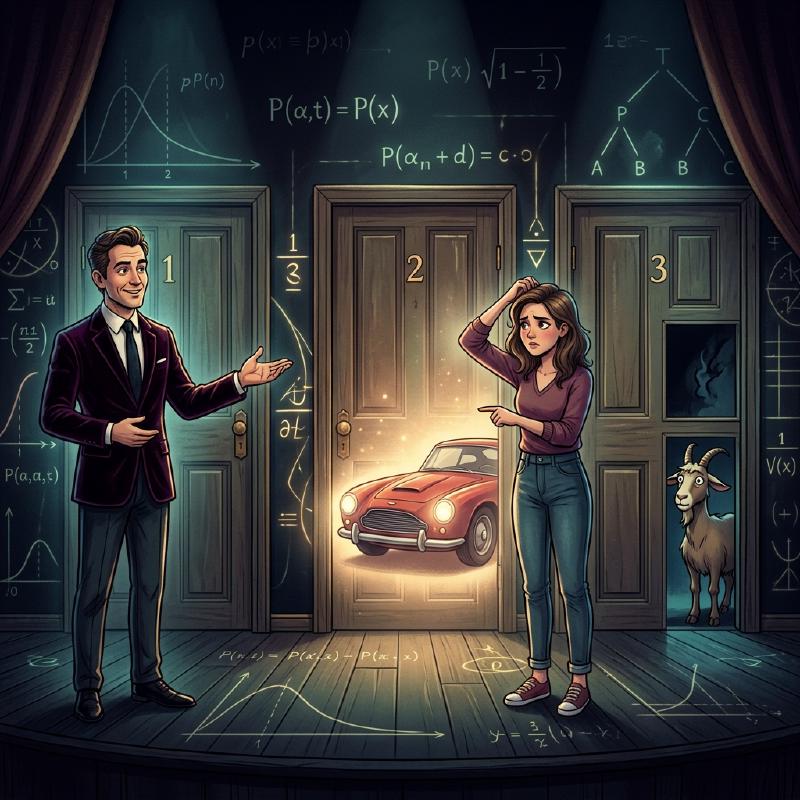
A TV show game where you choose a winning prize from 3 doors. Should you change your choice after the host opens a losing door? We thoroughly explain the "Monty Hall Problem", which caused a huge controversy involving mathematicians worldwide, from the perspectives of probability theory, Bayesian inference, and cognitive psychology.
Whether it is a school class or a company department, when just 23 people gather, the probability of two people sharing the same birthday exceeds 50%. We explain visually and mathematically using probability theory and graphs how easily human intuition overlooks this "combinatorial explosion".
Three guests pay $30, later $5 is returned, but the waiter pockets $2 and only returns $3. The guests pay $9 each, totaling $27. Adding the waiter's $2 makes $29. Where did the remaining $1 go? A complete explanation from the perspectives of mathematics, psychology, and accounting.
Does switching envelopes help? Calculate the conditional gain from a prior, distinguish normalization from a finite mean, and examine proper infinite-mean counterexamples.
Provides a thorough explanation of the background leading to the dawn of quantum computers, from the physical limits of classical computers and the end of Moore's Law to the barriers of quantum mechanical effects like quantum tunneling. This is Chapter 1 of the complete guide to understanding next-generation information processing technologies.