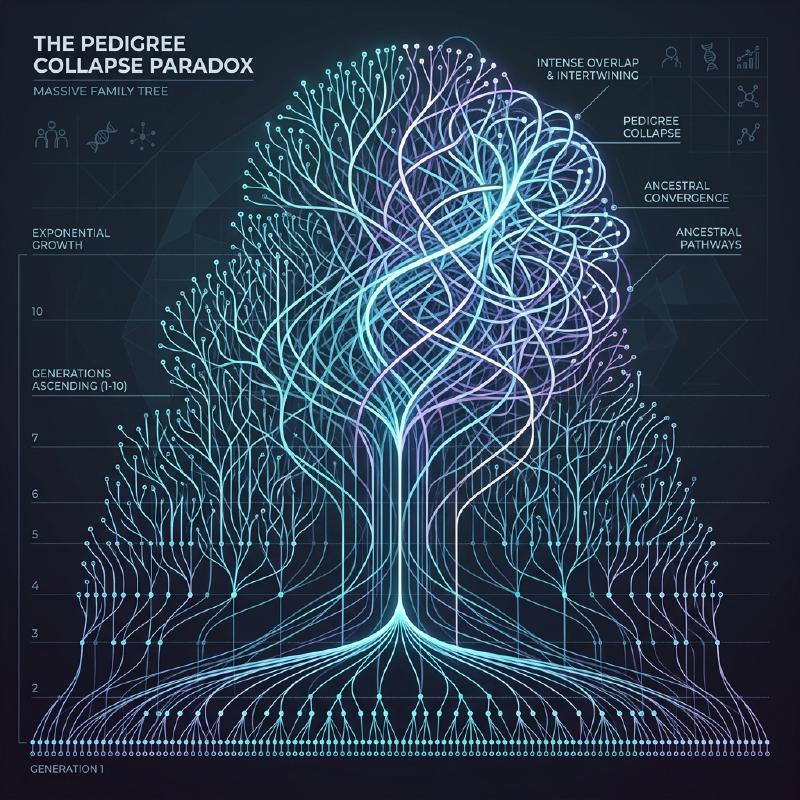
The "Ancestor Paradox" occurs when the number of your ancestors going back in generations exceeds the world's population at the time. We explain this mystery, "Pedigree Collapse", in detail from mathematical and genetic perspectives.
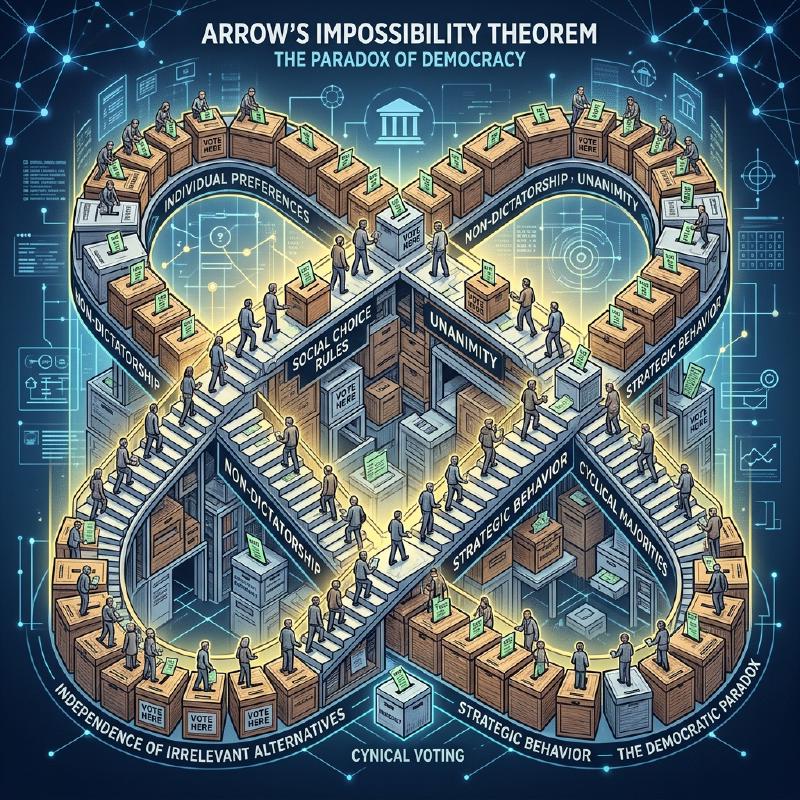
Can we create an 'election system that is fair to everyone'? Through 'Arrow's Impossibility Theorem' proven by economist Kenneth Arrow, we explain the mathematical limits of democracy and how we should face elections and decision-making.
We explain Gödel's Incompleteness Theorems, a historic theorem that showed the limits of mathematics, including its meaning and how the proof works, in an easy-to-understand manner with concrete examples and diagrams.
We explain two representative randomized algorithms that utilize random numbers: the Monte Carlo and Las Vegas algorithms. We summarize specific algorithm implementations and their differences in an easy-to-understand manner.
Where are we in the history of humanity? We explain the 'Doomsday Argument,' which probabilistically predicts the timing of human extinction using the Copernican principle and Bayesian inference, with formulas and diagrams.
We explain the Halting Problem, one of the most famous (and proven) unsolved problems in computer science. It is explained easily using proof by contradiction, intuitive concrete examples, formulas, and diagrams.
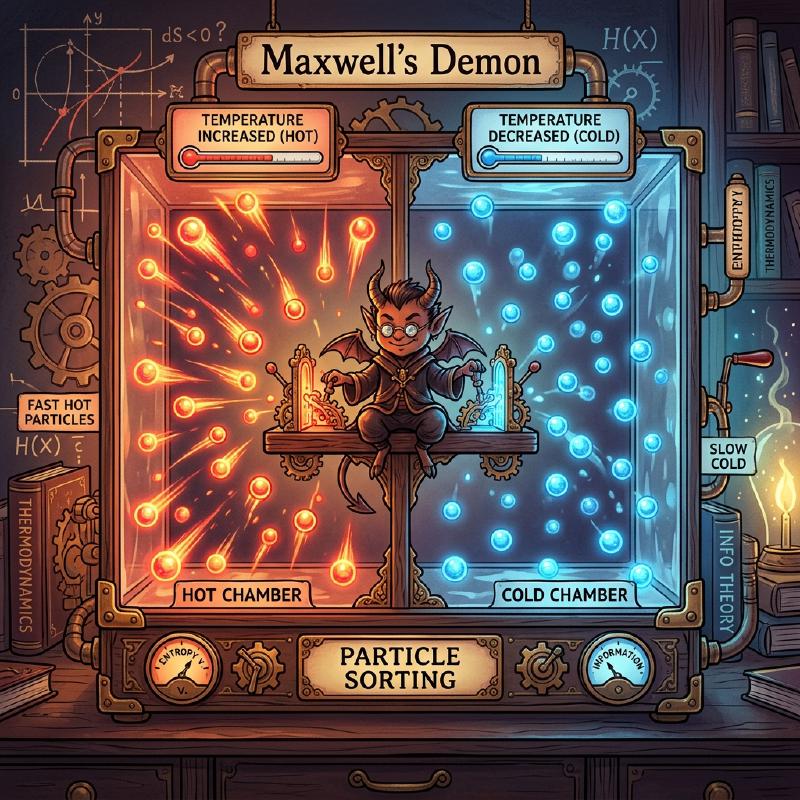
The thought experiment 'Maxwell's Demon' that seems to break the second law of thermodynamics. We explain in detail how this paradox was unraveled by the 'physics of information,' using formulas and diagrams.
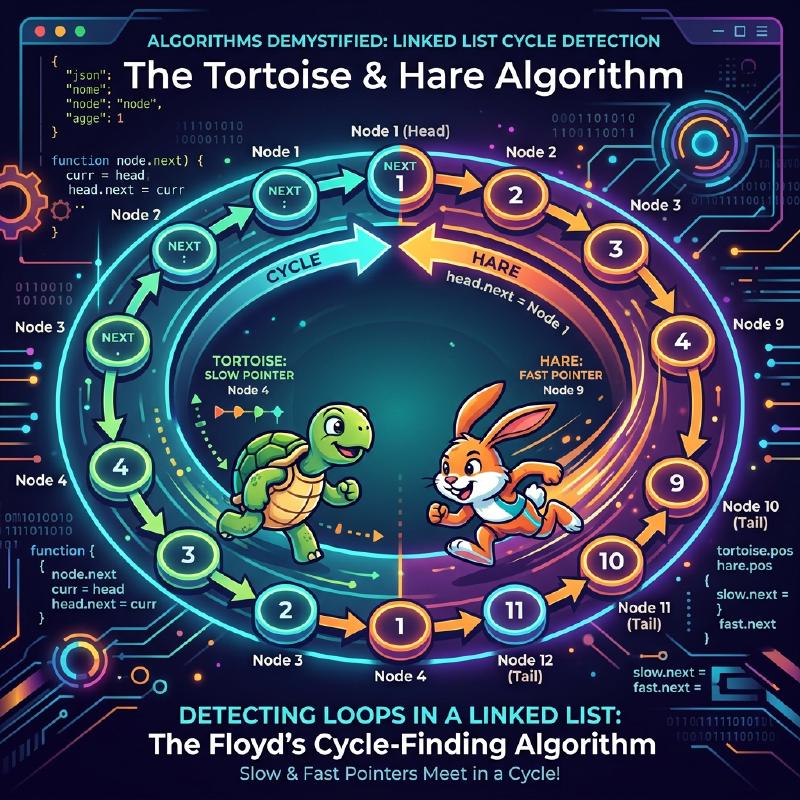
A detailed explanation of the famous 'Robert Floyd's cycle-finding algorithm (Tortoise and Hare Algorithm)' for detecting cycles in lists and graphs, featuring diagrams, mathematical proofs, and implementation in C++ and Rust.
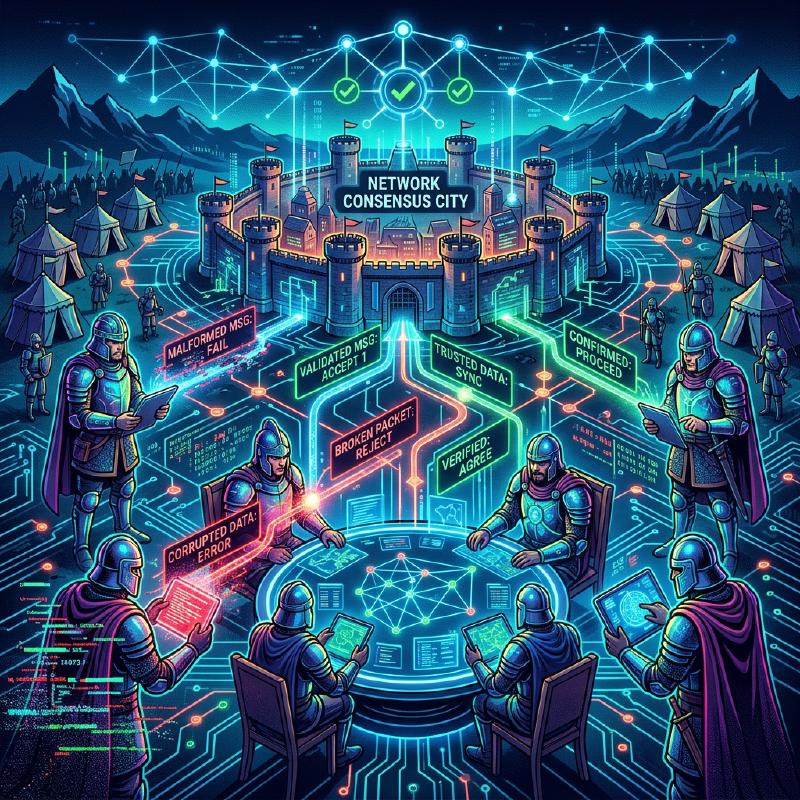
We explain the 'Byzantine Generals Problem', a representative challenge in distributed systems, from its concept to mathematical proof, and its application in blockchain, featuring concrete examples and diagrams.
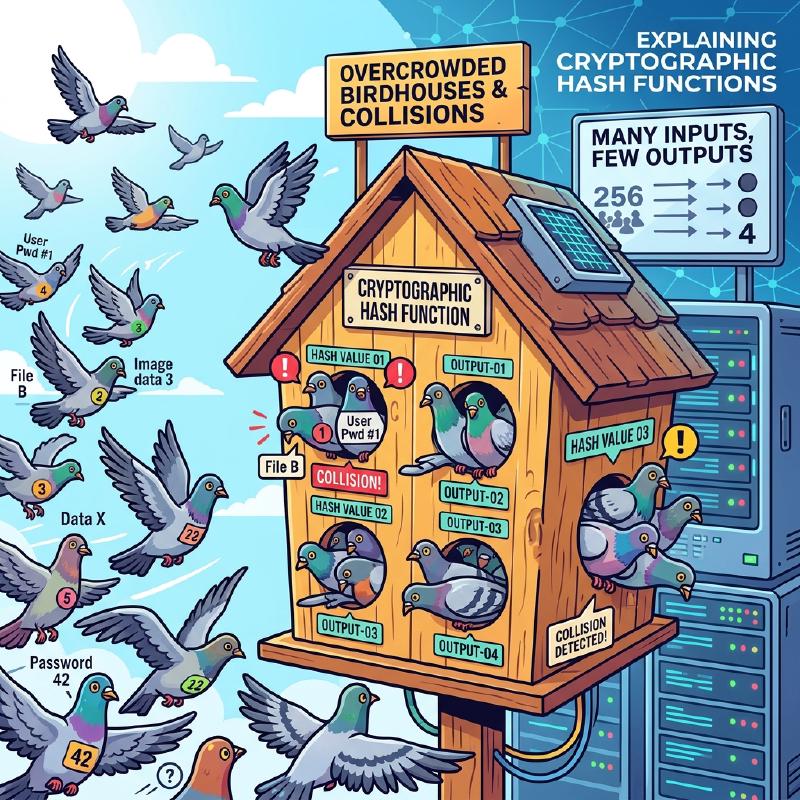
Why does the intuitively understandable 'Pigeonhole Principle' become the most important concept in the security of modern cryptography and hash functions? We explain it deeply using concrete examples, formulas, and diagrams.
Using the Greek philosophical paradox 'The Ship of Theseus' as a theme, we delve deeply into refactoring, system replacement in software development, and 'identity' in object-oriented programming.
A detailed illustration and explanation of the OAuth 2.0 Authorization Code Grant flow through implementing a Slack App integration. This is a complete guide covering concrete code examples in Node.js and security best practices.
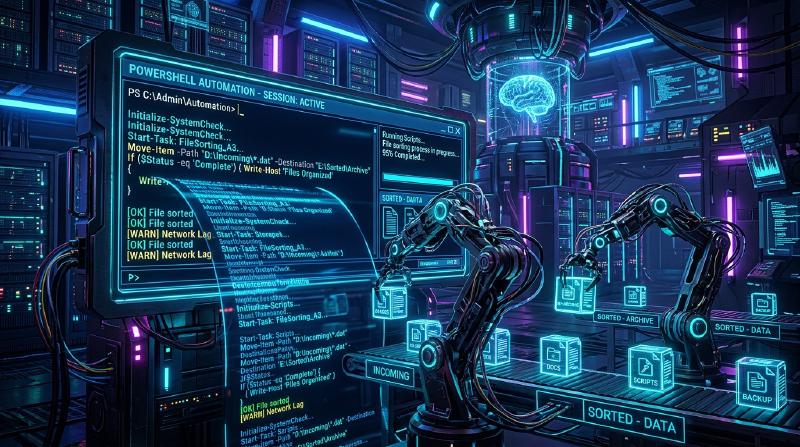
A practical guide to completely automating everyday Windows tasks using PowerShell. Explains specific examples such as backups, log monitoring with Slack notifications, and Git updates and builds for multiple repositories.
The definitive guide to Windows troubleshooting. A thorough explanation of kernel-level analysis techniques using Sysinternals tools.
A technical blog post looking back at the entire process of developing a native Windows app called LogicPad and releasing it to the Microsoft Store. From specific implementation using WinUI 3 and C++ to MSIX packaging.
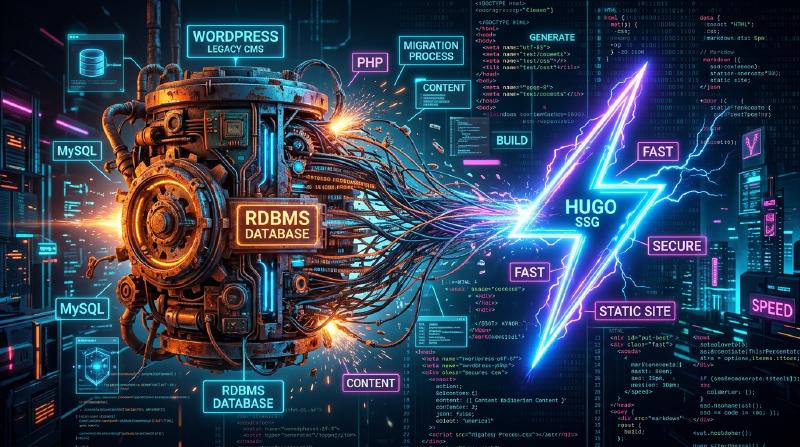
A detailed guide on migrating from a dynamic CMS like WordPress to Hugo, an ultra-fast static site generator based on Go. Covering architectural differences, template structures, mathematical performance analysis, and practical migration commands.