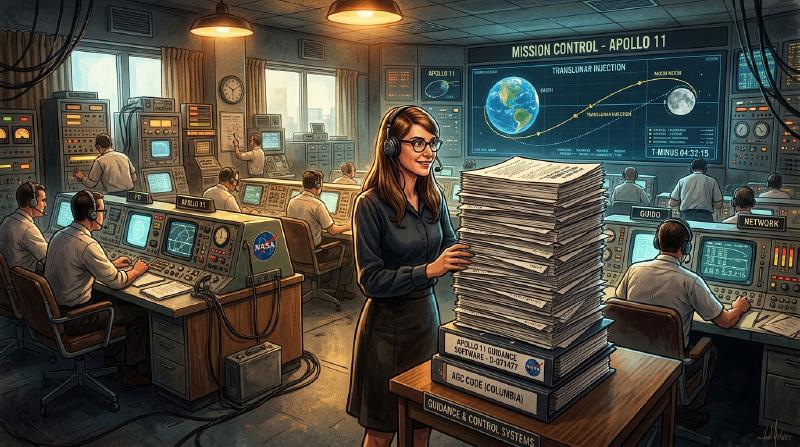
In 1969, Apollo 11 succeeded in humanity's first lunar landing. Behind this was the robust software developed by Margaret Hamilton and her team. We thoroughly explain her achievements, which laid the foundation of modern software engineering, and the full picture of the Apollo Guidance Computer (AGC) source code.
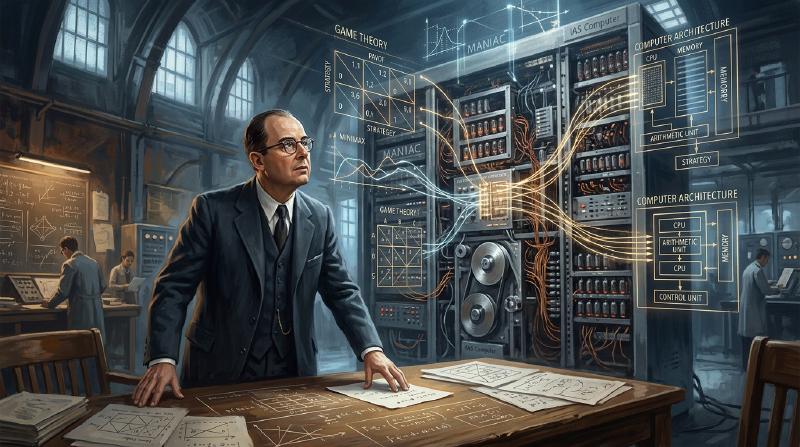
An in-depth explanation of the life and incredible achievements of John von Neumann, the 20th century's greatest genius, known as the "Devil's Brain", who laid the foundation for modern society in mathematics, quantum mechanics, game theory, computer science, and atomic bomb development.
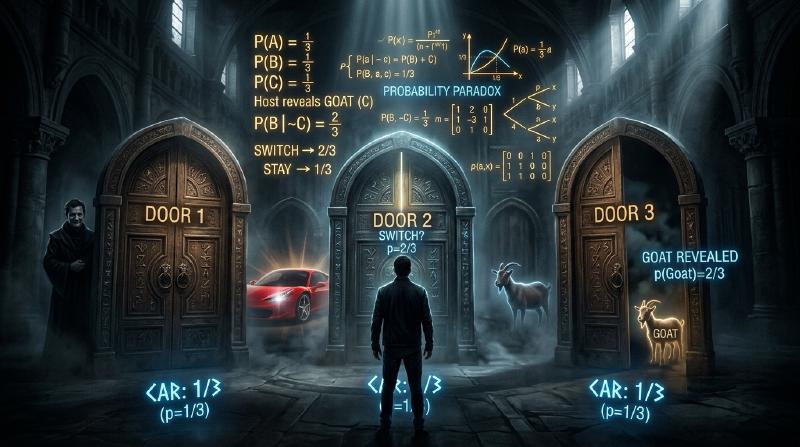
The "Monty Hall problem" is a prime example of counterintuitive probability theory. Why does human intuition deviate so much from probability? From mathematical proofs to psychological backgrounds, we thoroughly explain the entire picture of this paradox.
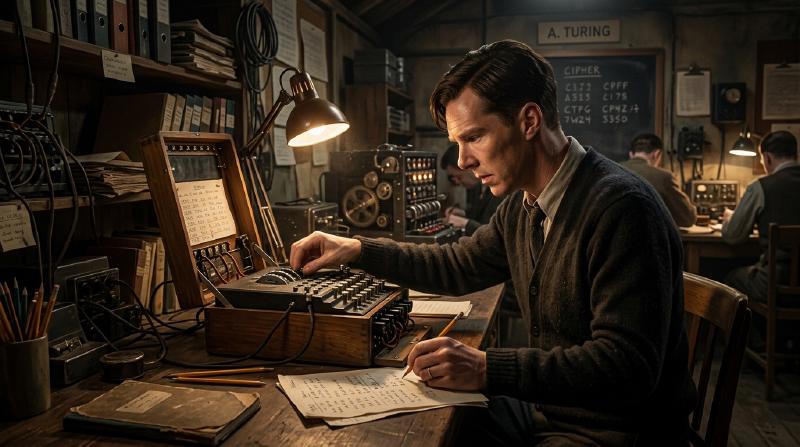
The Enigma codebreaking that determined the outcome of World War II. We explain in detail the unknown battle of genius mathematician Alan Turing and the codebreakers at Bletchley Park.
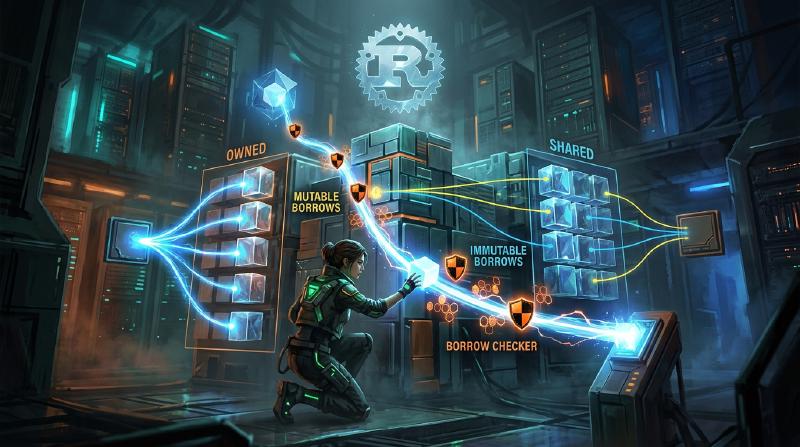
An in-depth exploration of Rust's core concepts of "Ownership" and "Borrowing", thoroughly explaining how it balances memory safety and performance.
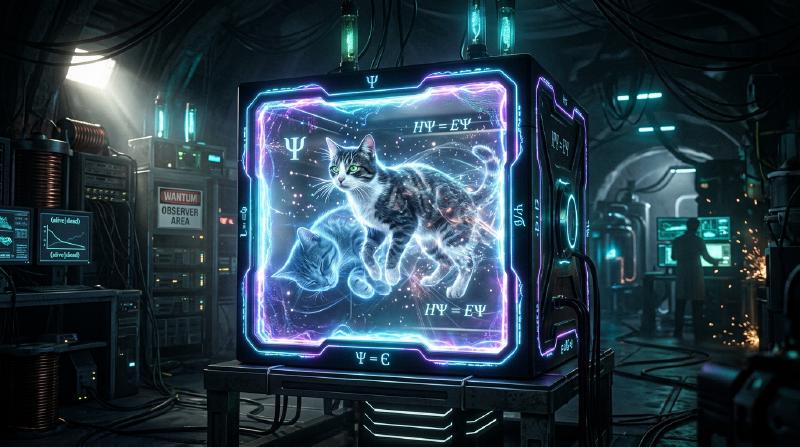
What is "Schrödinger's Cat"? A thorough explanation of the core of "superposition" and the "measurement problem" in quantum mechanics, from historical background to the many-worlds interpretation.
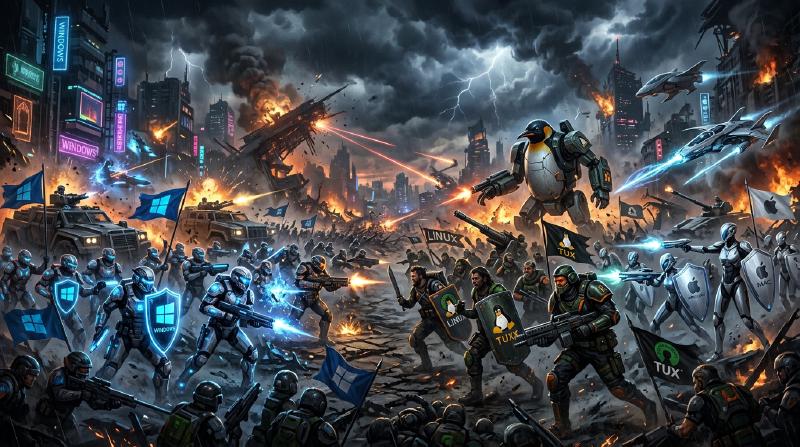
A deep dive into the 'OS Religious Wars' that have unfolded over decades. We thoroughly explore the philosophy, historical background, modern coexistence, and future of Windows, Mac, and Linux.
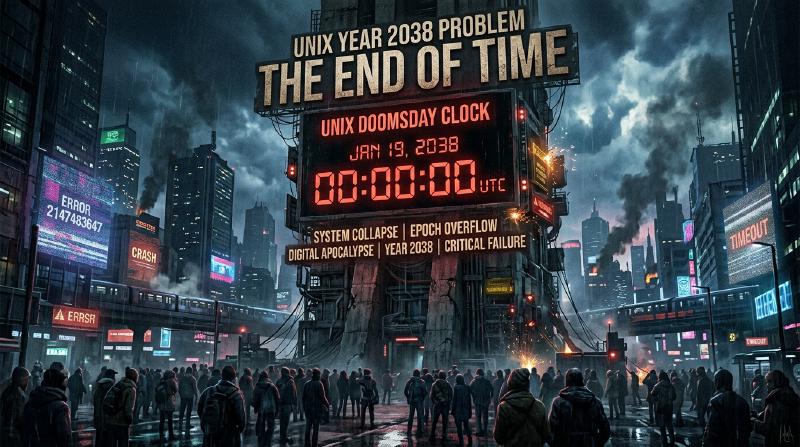
On January 19, 2038, UNIX time managed by a 32-bit signed integer will overflow, causing many computer systems to malfunction. We provide a detailed explanation of this '2038 problem', from its mechanism to its history, root causes, and solutions.
He is the man who made the modern internet something we take for granted, and who continues to shape the world by pouring massive amounts of funding into t
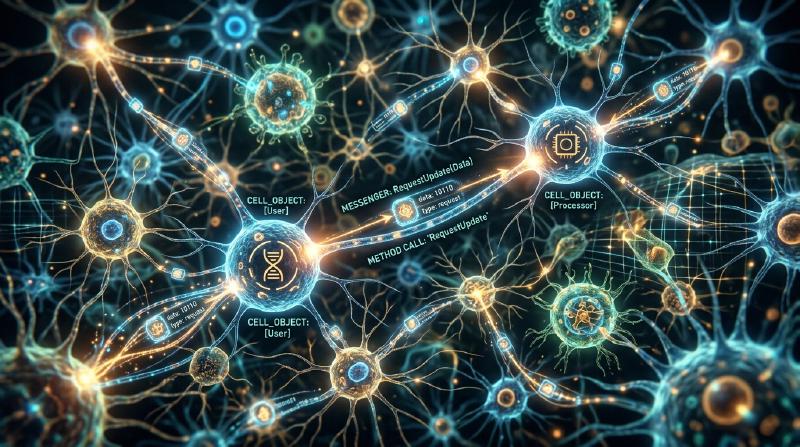
Object-Oriented Programming (OOP) is often misunderstood as "classes" and "inheritance", but its true core lies in "messaging". We thoroughly explain the truth of OOP through Alan Kay's vision and the cell metaphor.
A detailed explanation of how "The Cathedral and the Bazaar" laid the foundation for modern open source software development, from its historical background to its impact on modern software engineering.
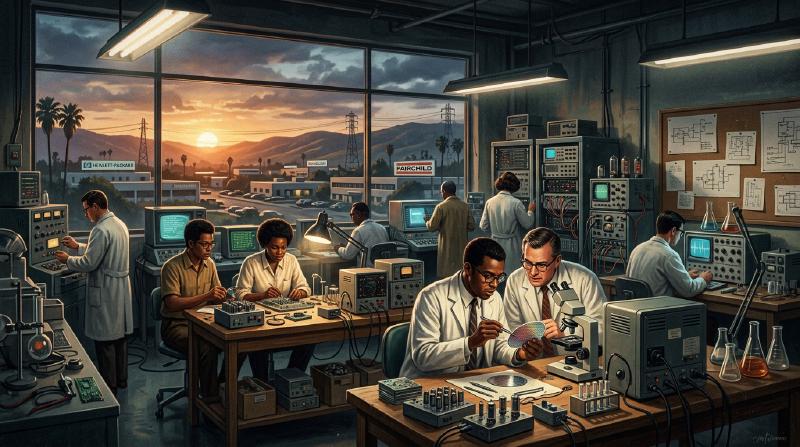
Silicon Valley is the epicenter of today's IT industry. Behind its birth lies an epic drama of a lone genius running amok and the rebellion of eight young engineers known as the 'Traitorous Eight'. We thoroughly explain their journey.
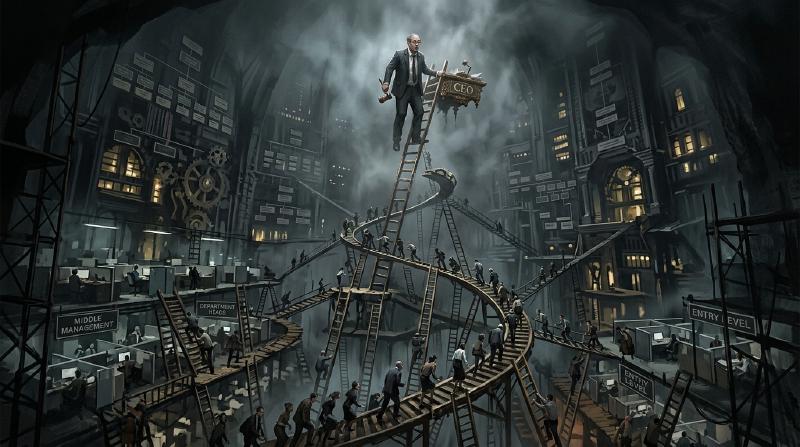
We will thoroughly delve into the mechanism and specific countermeasures of "The Peter Principle," a universal organizational phenomenon where "competent rank-and-file employees become incompetent managers." What is the wisdom to survive the fate of a hierarchical society?
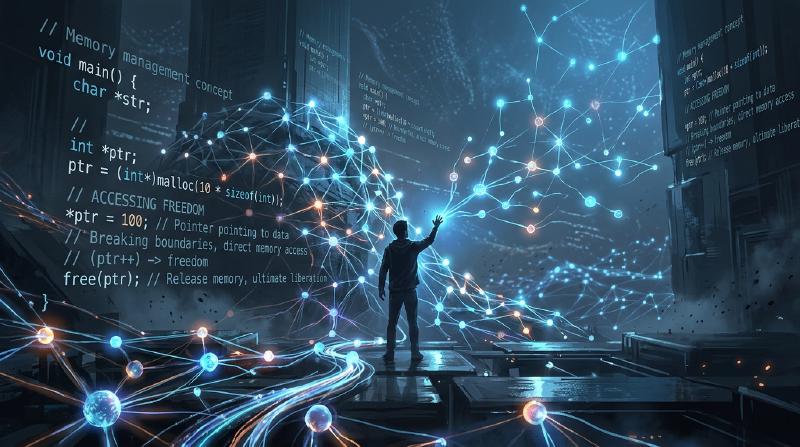
The core of C language: "pointers" and "freedom". How does its philosophy of entrusting everything to developers unlock hardware limits and foster programmer growth? A detailed exploration into the abyss of memory management.
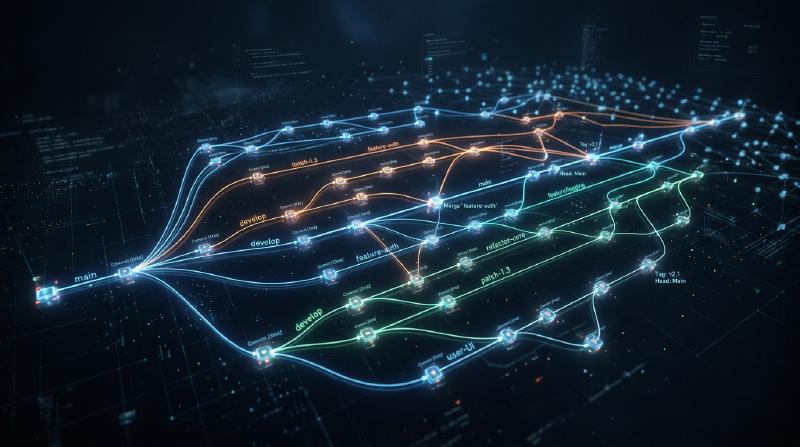
A deep dive into Git's design philosophy of decentralization, examining its aesthetics and architecture. We unravel the paradigm shift in development brought about by distributed version control systems.
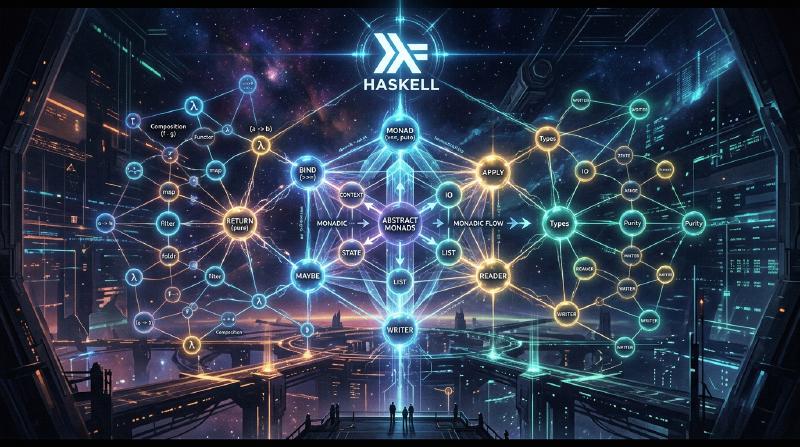
A complete guide that thoroughly explores everything from the philosophy of the pure functional language Haskell to the true nature of the notoriously difficult "Monad". We explain the isolation of side effects, Functors, Applicatives, and the beauty of the abstract world woven by Monads.
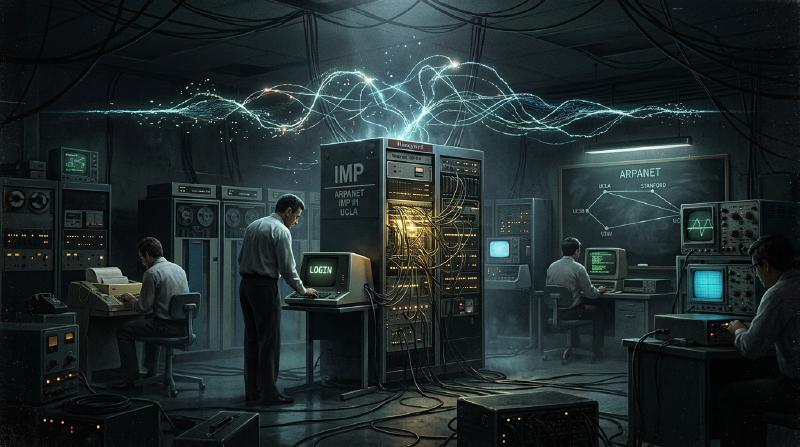
ARPANET is the direct origin of the modern internet. From the birth of packet switching technology, the development of IMP, the historic 1969 communication, and its evolution into TCP/IP, we delve deeply into the history of the internet's genesis with thousands of words of detailed explanation.
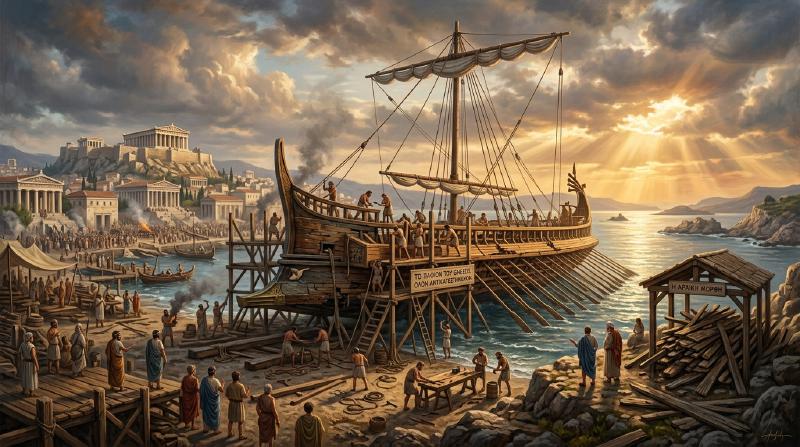
The "Ship of Theseus" is a philosophical paradox from ancient Greece. Is a ship whose parts have all been replaced still the same ship? We delve into what self-identity truly is.
Five workers are on the tracks ahead of a runaway trolley, and one is on a side track. Do you pull the lever? From Philippa Foot's classic thought experiment to the AI ethics of self-driving cars, this article delves deeply into the clash between utilitarianism and deontology posed by the "Trolley Problem" and the mechanisms of human moral decision-making over thousands of words.
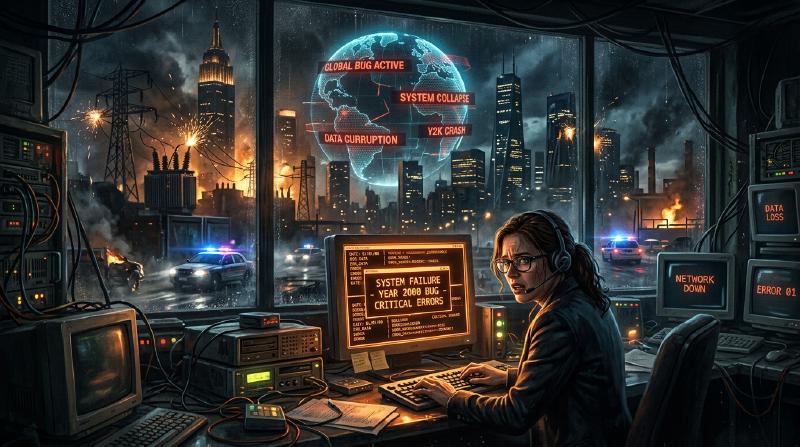
At the end of 1999, the world fell into a panic over the "Y2K Bug" 2000 problem. Was it just media hype? No, there was an epic debugging drama of programmers who fought day and night with code to prevent a global system collapse. We close in on the truth of that time.