A comprehensive guide to CI/CD principles that accelerate the software development lifecycle, and practical know-how for building pipelines using GitHub Actions.
Going beyond mere tool usage, we thoroughly dissect the mechanisms behind containers using Linux kernel features (Namespace, cgroups, OverlayFS).
The importance of IaC for managing infrastructure as code and the benefits of the declarative approach adopted by Terraform. This article explains the mechanism of State management and best practices.
An overview of Kubernetes, the de facto standard for container orchestration. Detailed explanation from how the control plane works to the roles of various resources.
We deeply explore not only the benefits of serverless, but also the mechanisms of containers running behind the scenes, the cold start problem, and its countermeasures (such as SnapStart).
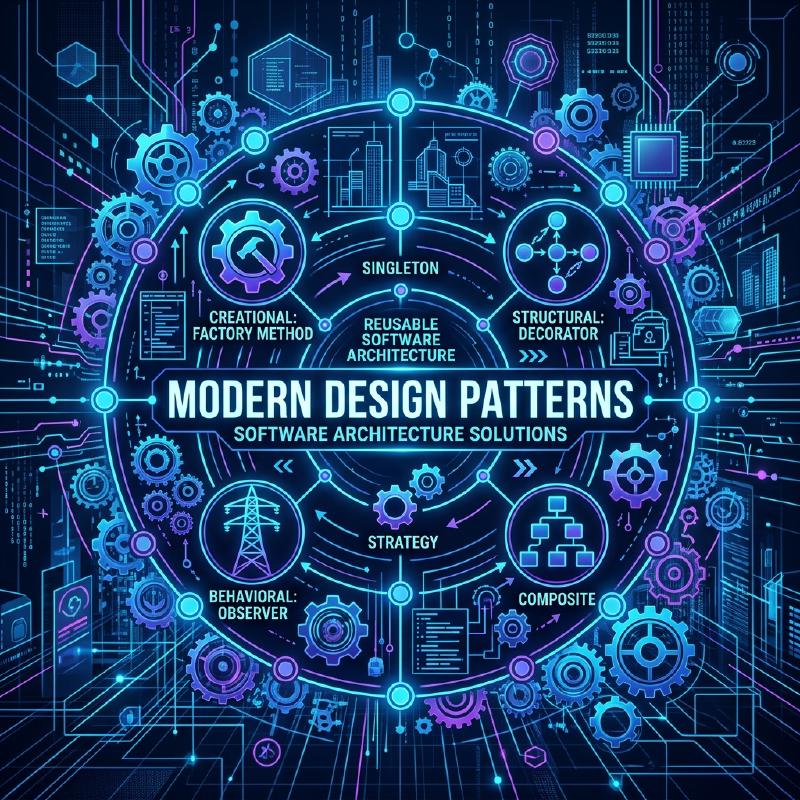
The GoF design patterns introduced in 1994. Are they still relevant in today's modern programming languages? We dive deep into modern design best practices, incorporating the impact of functional programming and new paradigms.
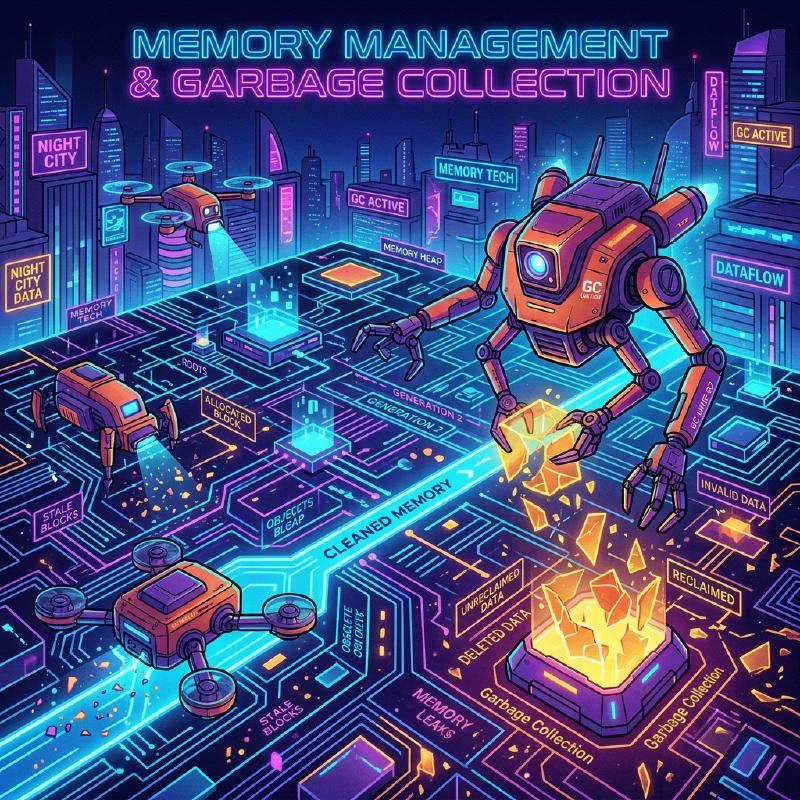
From the basics of memory management in programming to manual management in C, garbage collection in Java, and the ownership model in Rust, we compare and explain them at a deep level.
A deep dive into event-driven architecture and asynchronous processing—essential in modern distributed systems—from the perspectives of Event Loop, Actor model, and CQRS.
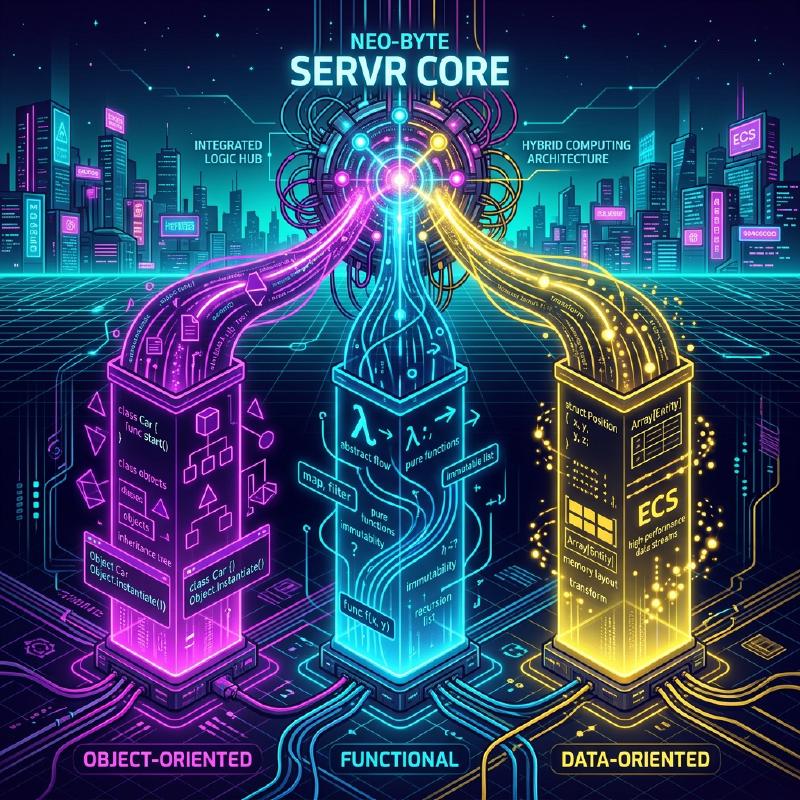
A deep dive into the history and evolution of programming paradigms, the strengths and limitations of OOP, FP, and DOP, and a thorough consideration of the 'fusion of paradigms' as the optimal solution in modern development.
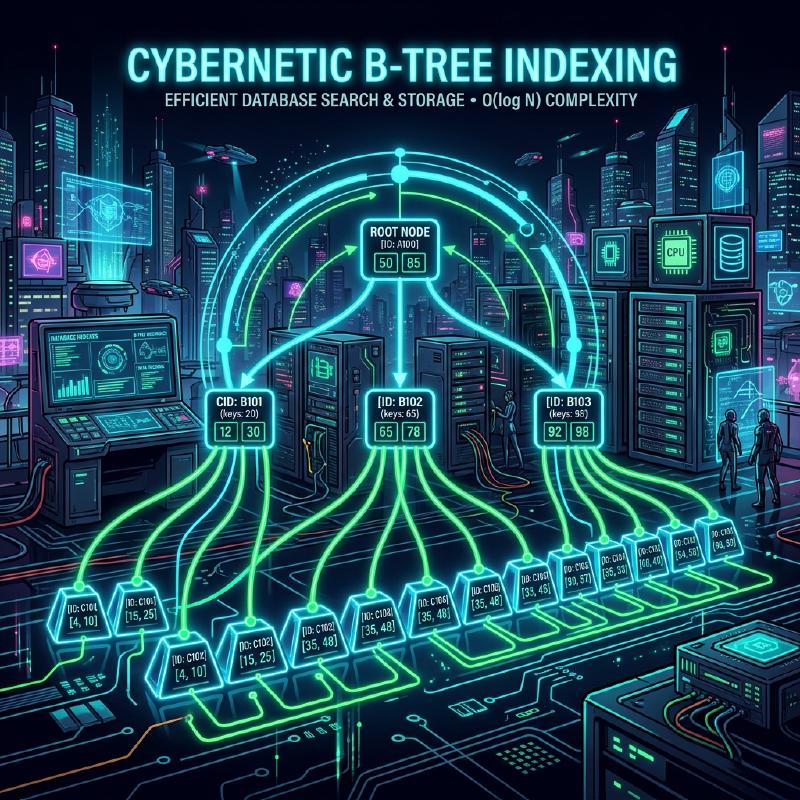
A deep dive into the theory, data structures, and disk I/O relationships of B-Tree and B+Tree, which form the foundation of database indexes, and why RDBMS continues to adopt B-Tree as the index standard, accompanied by mathematical analysis and implementation examples.
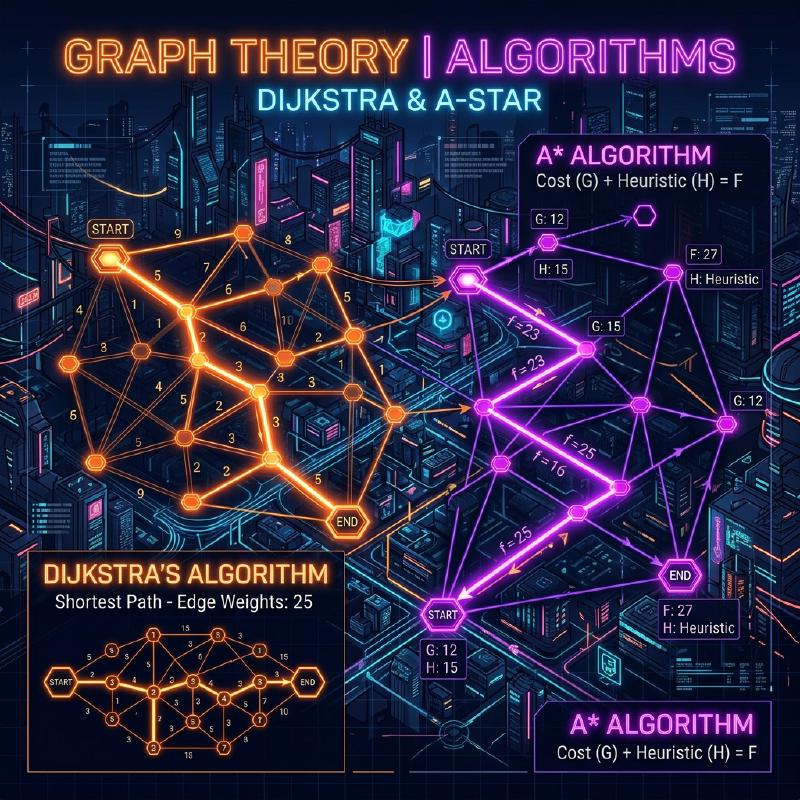
A comprehensive guide starting from the basics of graph theory, covering the mathematical background, data structures, and Python implementations of Dijkstra's algorithm and the A* algorithm in shortest path problems.
A detailed explanation of the basics of information theory proposed by Claude Shannon, the concept of entropy, the limits of data compression, and its application to modern communications.
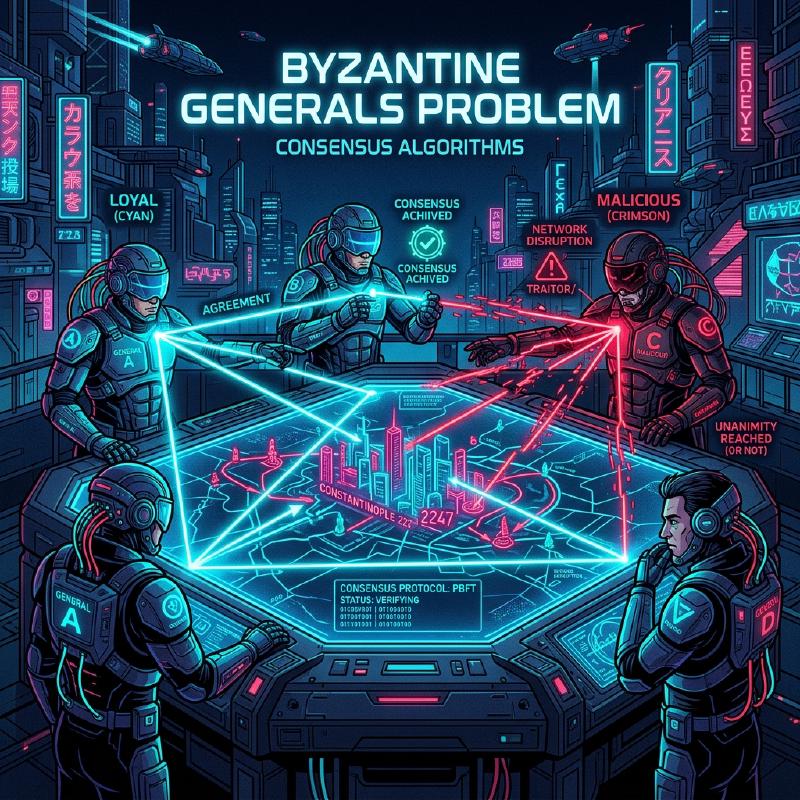
An in-depth exploration of consensus algorithms, the foundation of distributed systems, from the origins of the Byzantine Generals Problem to Paxos, Raft, and BFT, which is resilient against malicious nodes, complete with theory, mathematical proofs, and code implementations.
An in-depth dive into 'automata' and 'formal language theory' behind regular expressions and programming language compilers, exploring the Chomsky Hierarchy.
A deep dive into the basics of quantum computing, and the mathematical and quantum mechanical mechanisms of Shor's Algorithm, which poses a threat to RSA cryptography. This comprehensive guide includes implementation examples using Qiskit and discusses the future prospects of post-quantum cryptography.
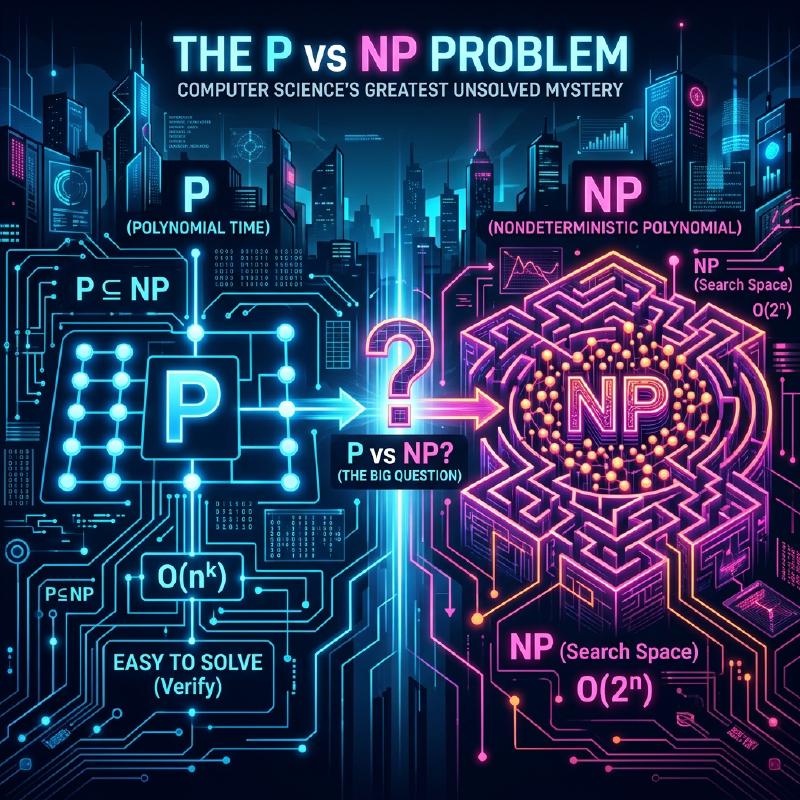
We deeply explore the 'P vs NP problem', one of the Millennium Prize Problems, from the basics of computational complexity classes (P, NP, NP-Complete, NP-Hard) to the latest research trends, and its impact on programming and cryptography.
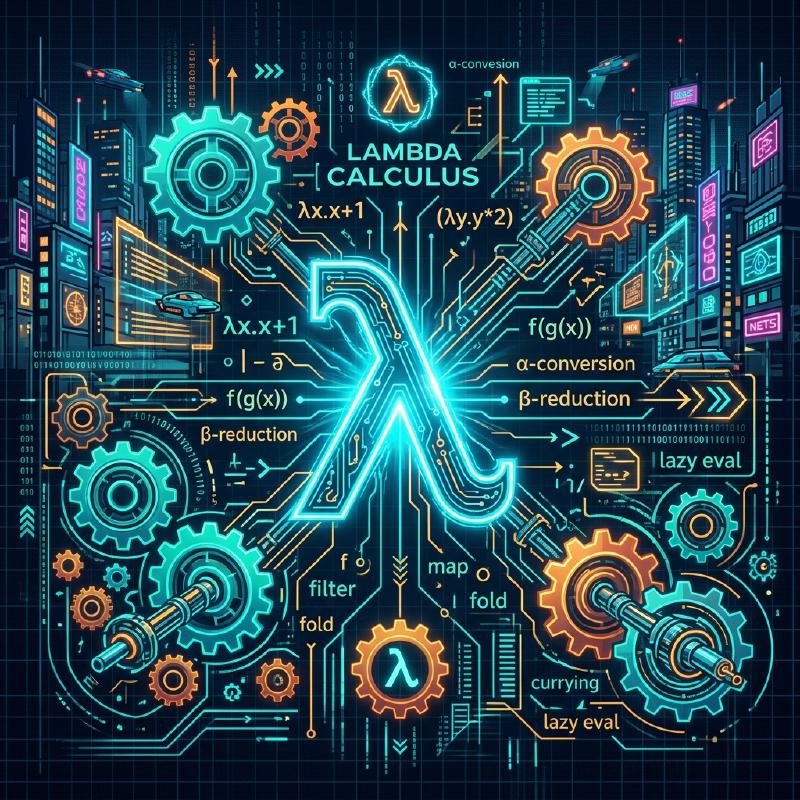
How lambda calculus, the foundational theory of computation, evolved into modern functional programming languages. A thorough explanation of the history and mathematical foundations from Alonzo Church's theory to the birth of Lisp and Haskell.
What are the limits of computation? We delve deeply into the concept of the Turing machine proposed by Alan Turing and the 'halting problem', a monumental pillar of computability theory, from mathematical and programmatic perspectives.
An in-depth look at the CAP theorem, the most important principle in distributed systems, from its definition and proof to its extension to the PACELC theorem and implementation in actual distributed databases.
A comprehensive guide explaining the technical and mathematical mechanisms behind Bitcoin and cryptocurrencies. Covers SHA-256, elliptic curve cryptography, UTXO, and scalability issues.