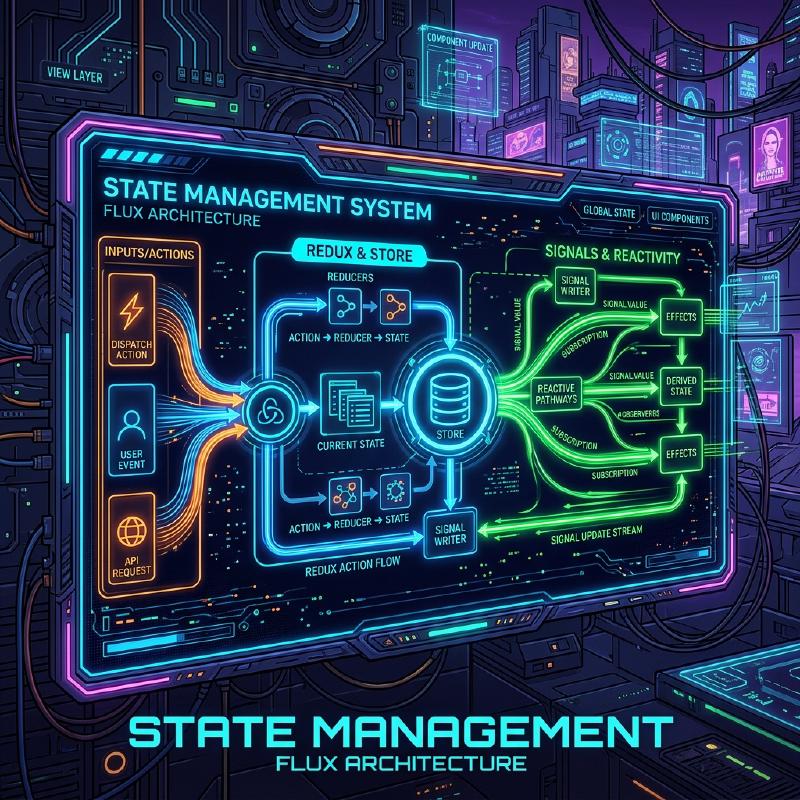
The historical evolution of state management libraries, mainly in React, and a comparison of each architecture.
A guide to understanding the data models of various NoSQL databases and making the optimal choice for your use case.
Challenges in splitting from a monolith, and solutions using API Gateway and the BFF (Backend for Frontend) pattern.
Implementation patterns for micro frontends that split complex frontend monoliths and increase team autonomy.
From the basics of transaction processing that protects database consistency, to anomalies caused by isolation levels and locking mechanisms.
An explanation of everything from the big picture of PWA to the Service Worker lifecycle, offline caching, and push notifications.
Mechanisms and defense methods for major Web vulnerabilities such as SQL Injection, XSS, and CSRF.
Details on each Core Web Vitals metric and specific frontend implementation techniques to improve them.
Understanding the concepts and implementation of Zero Trust Architecture, learning from Google's BeyondCorp.
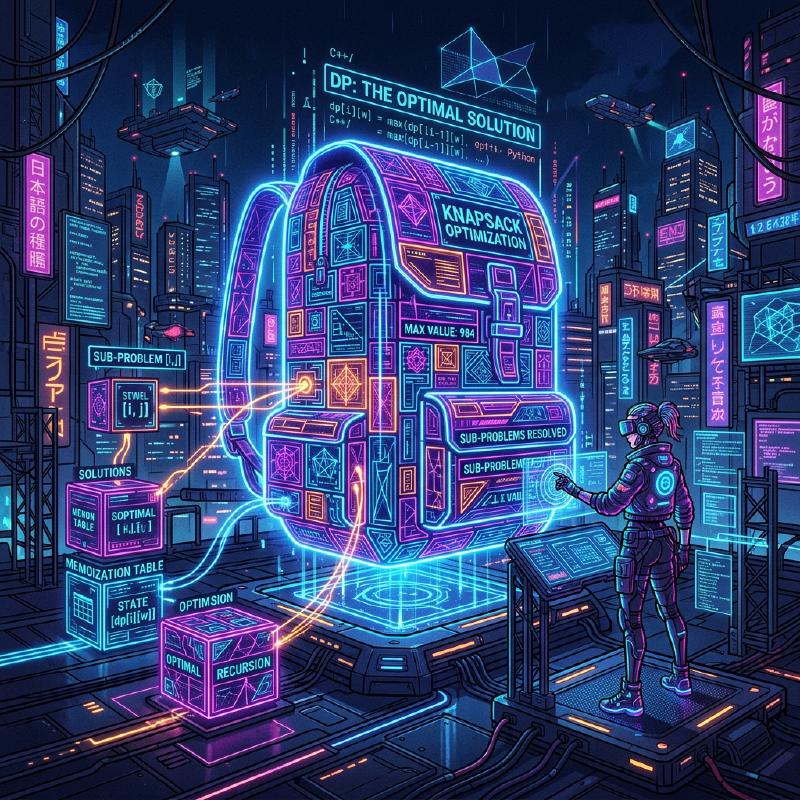
Overcome the algorithm hurdle 'Dynamic Programming (DP)'. We explain the difference between memoized recursion and the bottom-up approach in an easy-to-understand way, using the Fibonacci sequence and the Knapsack problem as examples.
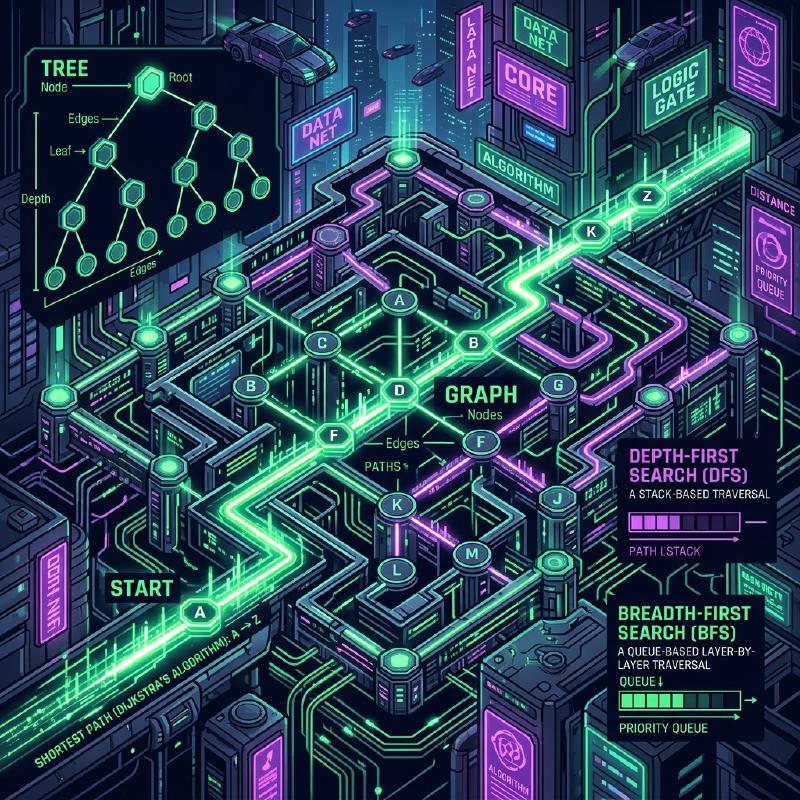
Tree and graph structures expressing complex data relationships. A thorough explanation from Depth-First Search (DFS) and Breadth-First Search (BFS) to the shortest path problem (Dijkstra's Algorithm).
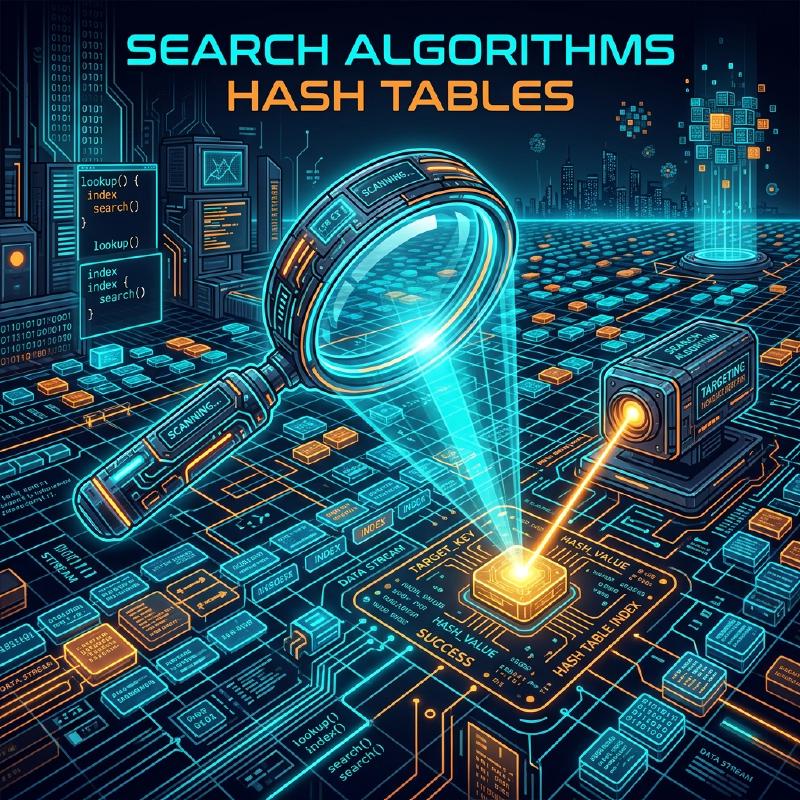
Search algorithms for finding target values within data. Explains the basics of linear search and binary search, up to the principles of hash tables that enable high-speed searching.
Sorting algorithms are the foundation of programming. From bubble sort to quick sort and merge sort, we comprehensively explain them with visualizations and code.
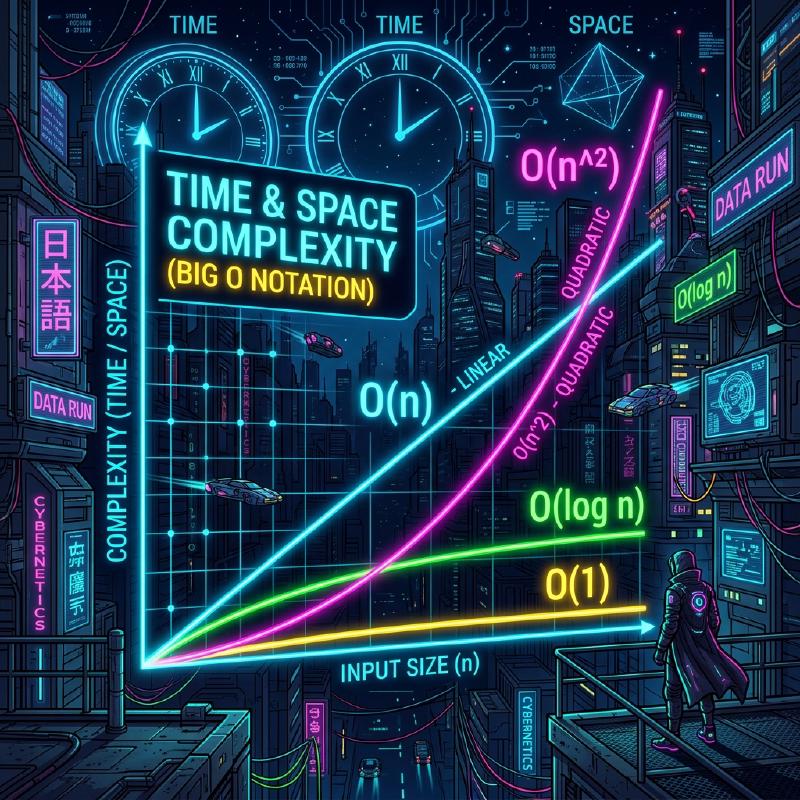
We thoroughly explain the Big O notation, which is essential for evaluating algorithm performance, from the difference between time and space complexity to concrete examples.
We will thoroughly explain pointers, the biggest hurdle in C programming, from the concept of memory addresses to the differences between stack and heap, and dynamic memory allocation. This is a complete guide for those aiming for a deep understanding of the C language.
Deep dive into the functional programming paradigm and thoroughly explain its benefits through the concepts of pure functions, immutability, and monads.
We thoroughly explain the mathematical mechanism of the Transformer architecture, which is the foundation of Large Language Models (LLMs), advanced prompt engineering techniques, and their application to actual programming.
A complete guide covering the historical background of Object-Oriented Programming, its 3 main elements (Encapsulation, Inheritance, Polymorphism), and deep practical methods of SOLID principles.
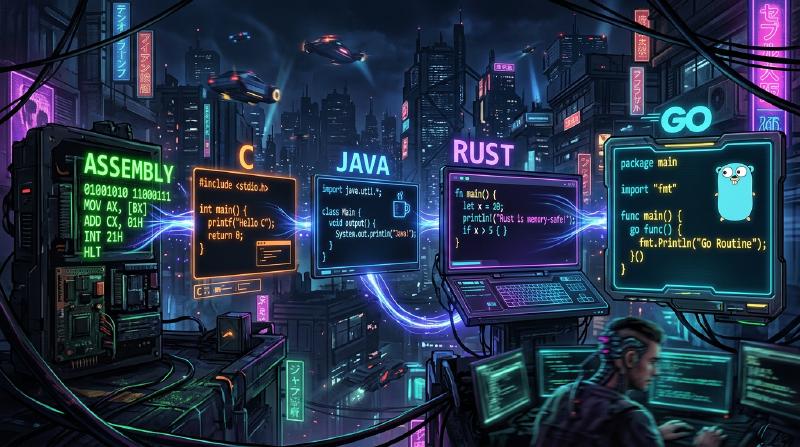
How have programming languages evolved? A detailed explanation of the history and paradigm shifts starting from assembly language, to C, Java, and modern languages like Rust and Go.
The biggest challenge in the history of frontend development: 'state management'. A comprehensive guide diving deep into the evolution and future, from MVC to Flux, Redux, Context API, and onto Signals and fine-grained reactivity.