In the history of computer science, there is a figure who has had as much influence on "how it is taught and shared" as on the technology itself.
Mark Elliot Zuckerberg was born on May 14, 1984, in White Plains, New York. Raised in a privileged environment with a dentist father and a psychiatrist mot
Sir Charles Antony Richard Hoare (commonly known as Tony Hoare, 1934–2026) was a great computer scientist who laid the foundations of modern software engin
"Python" is one of the most popular programming languages in the world. Its creator is the Dutch programmer Guido van Rossum.
In the world of computer science, there is likely no one who does not know the name Donald E.
Anyone involved in software development has likely heard the rule: "Adding manpower to a late software project makes it later." This is known as "Brooks's
Anyone involved in software development has likely come across the thick, masterful book titled Code Complete.
Dennis MacAlistair Ritchie (September 9, 1941 – October 12, 2011) is one of the most important and influential figures in modern computer science.
Edsger W. Dijkstra (1930 - 2002) is one of the greatest intellects who laid the foundations of modern software engineering and computer science.
"Linux," the OS that underpins modern IT infrastructure and runs on countless systems.
Today, computers exist on our desks and in our pockets as a matter of course. Bill Gates (William Henry Gates III) is the greatest contributor who populari
In today's modern digital society, it is no exaggeration to say that we owe our ability to casually touch smartphones, type texts in beautiful fonts, and c
Alan Kay is an American computer scientist often referred to as the "father of the personal computer," and a genius visionary who has had a profound impact
In modern software development, not a day goes by without hearing terms like "Agile," "Refactoring," and "Microservices." The person who popularized these
Shogi, the ultimate game of thought played on an 81-square board. We clearly explain everything from a review of the basic rules for beginners to the philosophies of the two major typical strategies, 'Ibisha' and 'Furibisha', which are also used by professionals.
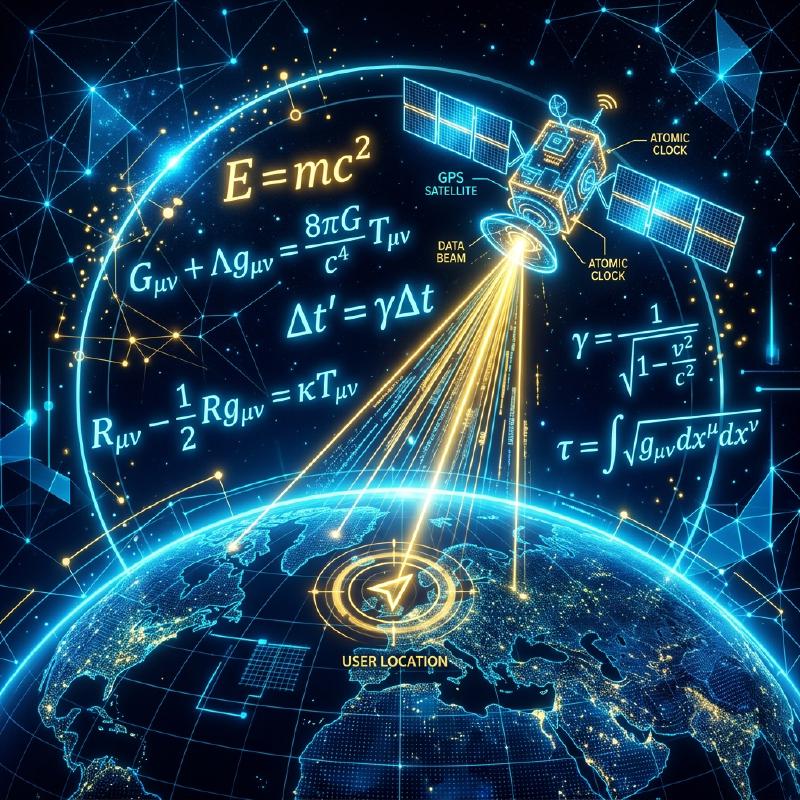
Why does your smartphone's map app know your current location? We explain the mechanism of precise time calculations using radio waves from GPS satellites flying in space and Einstein's theory of relativity.
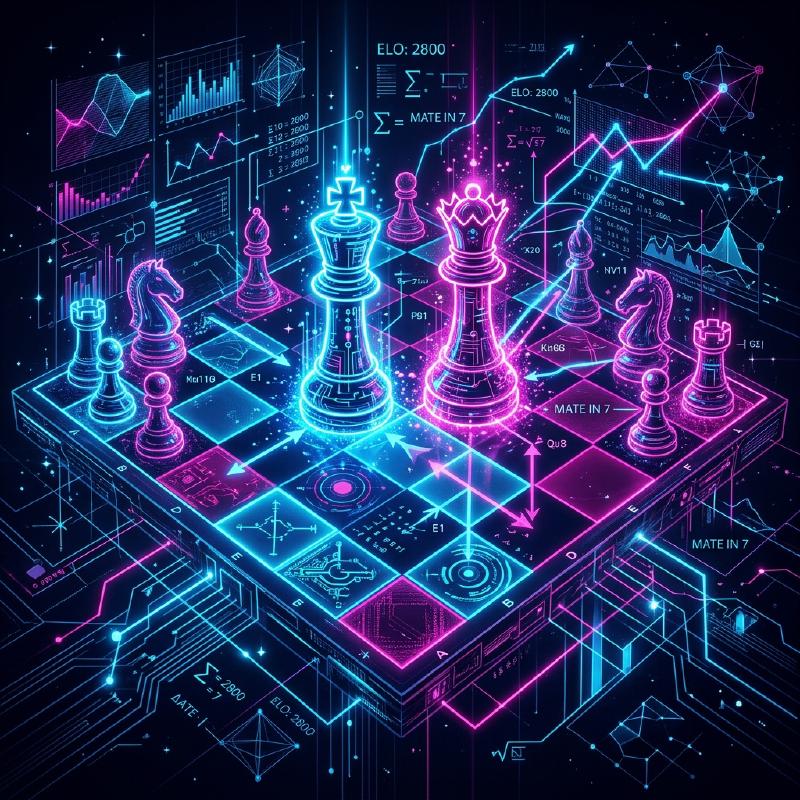
Chess, the world's most played mind sport. From the basics of piece movement to center control, castling, and typical opening strategies (theory), we explain the theory for beginners to win.
Othello (Reversi) is often said to take 'a minute to learn, a lifetime to master.' We explain the 'stable discs' and 'mobility theory' to help beginners graduate from just blindly flipping discs.
The magic of 'issuing and transferring money without a central authority.' We unravel the core of the blockchain created by Satoshi Nakamoto: hash functions, PoW (Proof of Work), and the mechanism of distributed ledgers.
From 'physical coins and bills' to 'digital data'. We unravel the history of the evolution of electronic money, from David Chaum's early experiments to the birth of Suica and the rise of crypto assets.