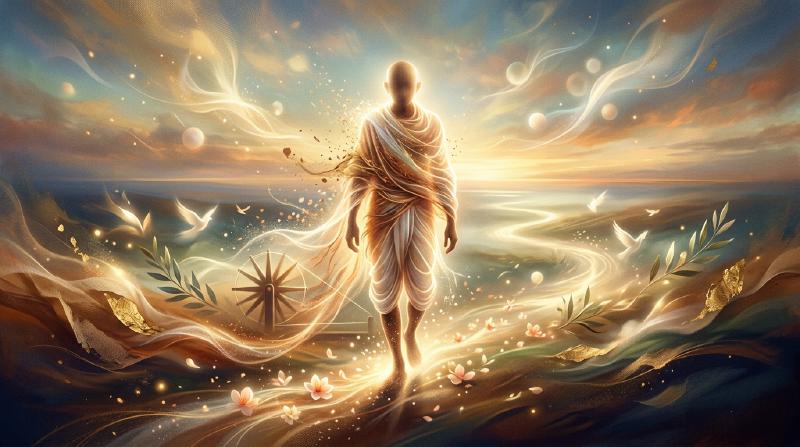
"An eye for an eye will only make the whole world blind."
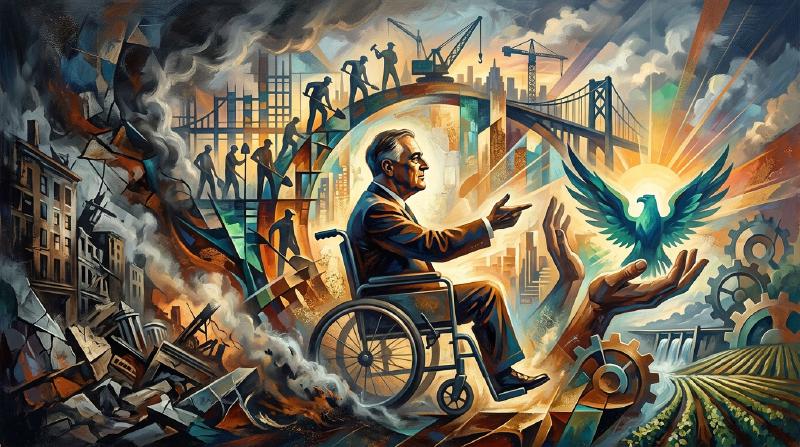
Franklin Delano Roosevelt (FDR) was the 32nd President of the United States and one of the most influential leaders in 20th-century history.
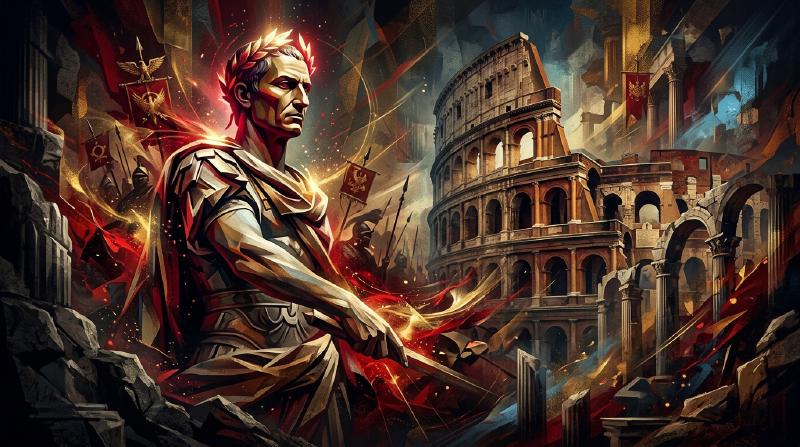
"The die is cast," "I came, I saw, I conquered," "Et tu, Brute?" — Even those unfamiliar with world history have likely heard the words he left behind.
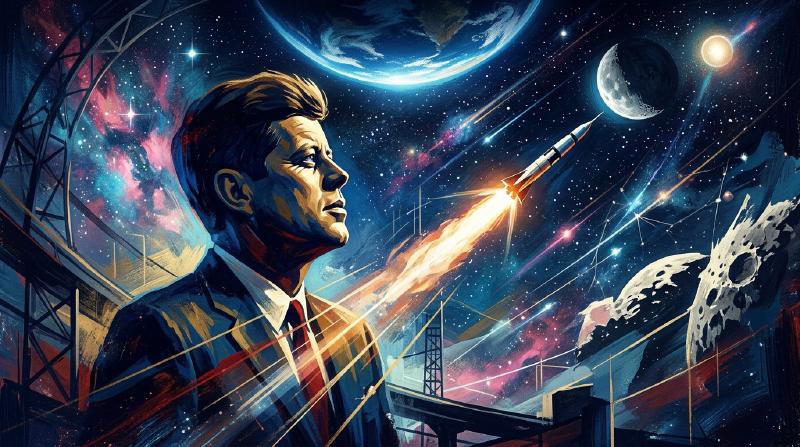
John Fitzgerald Kennedy (JFK), the 35th President of the United States, was a charismatic leader who guided the nation through the historical turning point
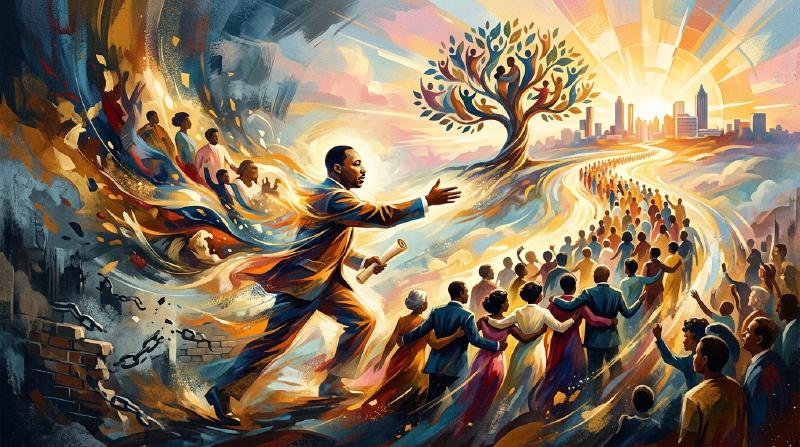
Martin Luther King Jr. (January 15, 1929 - April 4, 1968) was an American Protestant Baptist minister and the most prominent leader of the African American
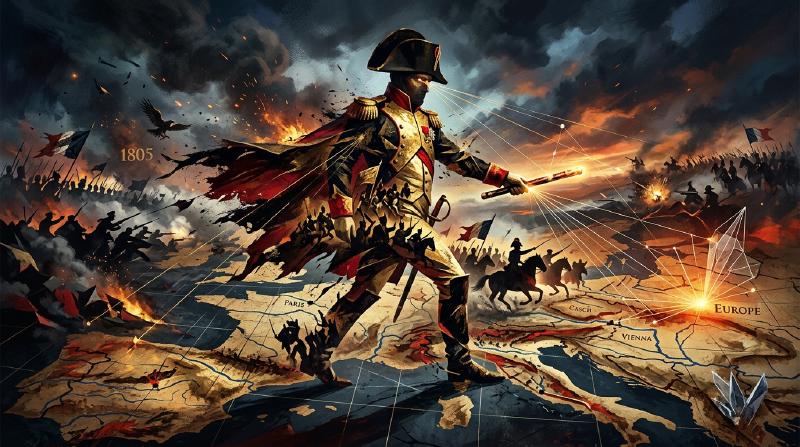
In world history, few figures are as intensely praised and condemned as Napoleon Bonaparte.
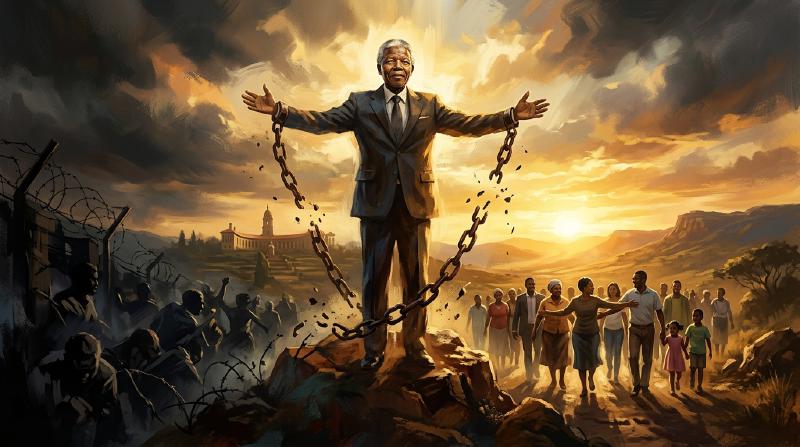
Nelson Mandela is deeply etched in the memory of people worldwide as one of the greatest leaders of the 20th century.
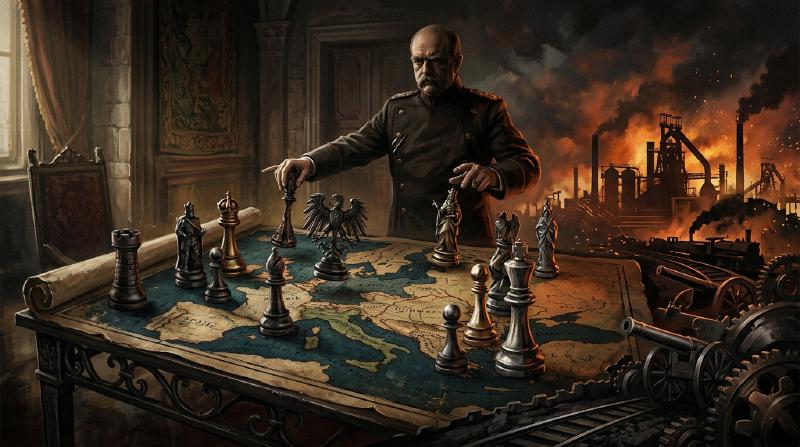
Otto von Bismarck (1815–1898), known as the "Iron Chancellor," was a Prussian and German statesman and an exceptional realist who drove European diplomacy
In the history of computer science, there is a figure who has had as much influence on "how it is taught and shared" as on the technology itself.
Mark Elliot Zuckerberg was born on May 14, 1984, in White Plains, New York. Raised in a privileged environment with a dentist father and a psychiatrist mot
Sir Charles Antony Richard Hoare (commonly known as Tony Hoare, 1934–2026) was a great computer scientist who laid the foundations of modern software engin
"Python" is one of the most popular programming languages in the world. Its creator is the Dutch programmer Guido van Rossum.
In the world of computer science, there is likely no one who does not know the name Donald E.
Anyone involved in software development has likely heard the rule: "Adding manpower to a late software project makes it later." This is known as "Brooks's
Anyone involved in software development has likely come across the thick, masterful book titled Code Complete.
Dennis MacAlistair Ritchie (September 9, 1941 – October 12, 2011) is one of the most important and influential figures in modern computer science.
Edsger W. Dijkstra (1930 - 2002) is one of the greatest intellects who laid the foundations of modern software engineering and computer science.
"Linux," the OS that underpins modern IT infrastructure and runs on countless systems.
Today, computers exist on our desks and in our pockets as a matter of course. Bill Gates (William Henry Gates III) is the greatest contributor who populari